Parental Leave Ontario
January 20, 2026

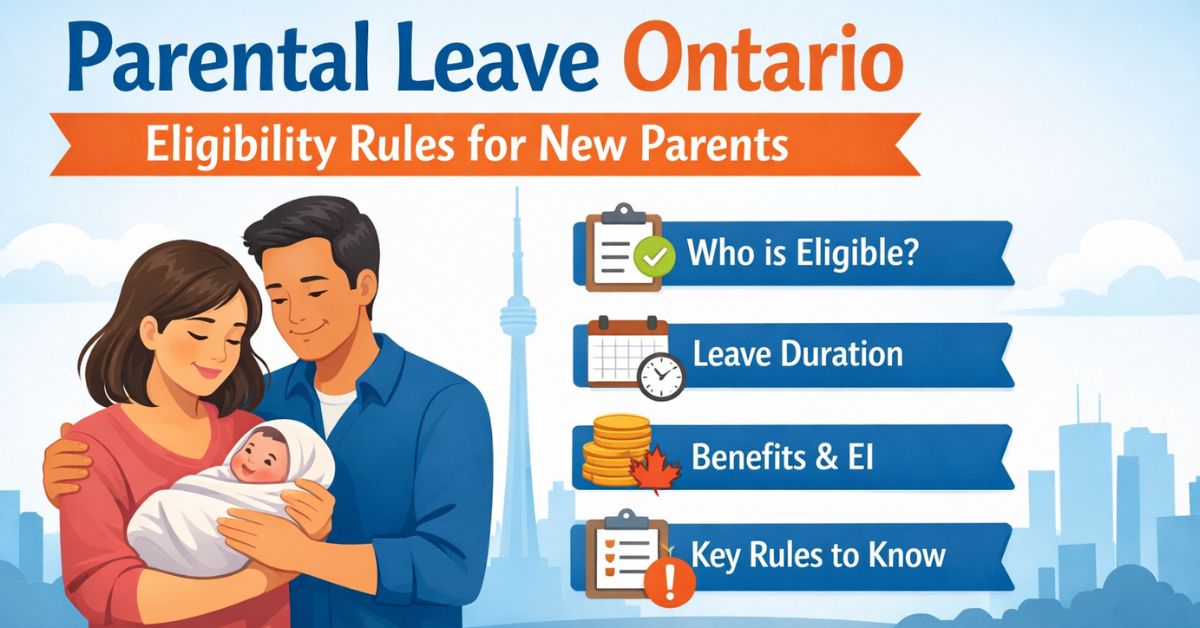
So, you’re expecting or have a new little one? Congrats! Navigating the world of parental leave in Ontario can feel like a maze, especially when you’re also dealing with sleepless nights and baby cuddles. This guide breaks down the rules for parental leave Ontario, so you know exactly what you’re eligible for. We’ll cover who qualifies, how long you can be off, and what your rights are. Let’s get this sorted so you can focus on what matters most.
Becoming a parent is a huge life change, and Ontario has rules in place to help new moms and dads manage the transition. This isn’t just about getting time off; it’s about making sure you can bond with your new baby or child without worrying about losing your job. The province’s Employment Standards Act, 2000 (ESA), lays out the basics for most workers.
Basically, if you’re a new parent in Ontario, you have the right to take parental leave. This applies whether you’re welcoming a newborn or adopting. It’s important to know that this leave is separate from pregnancy leave, which is specifically for birth mothers. So, even if you’re not the birth parent, you likely qualify for your own parental leave.
Here’s a quick rundown of what you need to know:
While the ESA provides the right to take this time off, it’s unpaid by your employer. However, many new parents can apply for Employment Insurance (EI) benefits to help with income during their leave. It’s a bit of a balancing act, understanding both the ESA rules and how EI works.

So, what exactly is parental leave in Ontario, according to the rules set out by the Employment Standards Act, 2000 (ESA)? Basically, it’s a period of unpaid time off work that new parents can take when a baby arrives, whether through birth or adoption. It’s a right for all new parents, not just birth mothers. This leave is separate from pregnancy leave, meaning a birth mother can take both if she chooses. Think of it as a way for parents to bond with their new child and adjust to life with a new family member without worrying about losing their job.
Here’s a quick rundown of what the ESA says about parental leave:
It’s important to remember that this is unpaid leave. However, many parents can get financial help through Employment Insurance (EI) benefits while they’re on parental leave. The ESA sets the rules for taking the time off, and the EI Act handles the payments.
The key thing to understand is that parental leave is a distinct right from pregnancy leave. This means a father could be on parental leave at the same time the mother is on pregnancy leave or even her own parental leave. It’s designed to give both parents time with their new child.
Okay, so you’re a new parent in Ontario, and you’ve heard about “maternity leave” and “parental leave.” It can get a little confusing, right? They sound similar, and in a way, they are, but they’re actually distinct things under Ontario’s employment laws.
Think of it like this: maternity leave is specifically for the birth mother, and it’s all about her recovery after giving birth. Parental leave, on the other hand, is for any new parent – whether you’re the birth mother, the other birth parent, an adoptive parent, or even someone in a long-term relationship with a parent who plans to care for the child. It’s more about bonding with and caring for the new baby.
Here’s a quick breakdown:
The key difference is who can take it and its primary purpose. Maternity leave is a specific type of leave for birth mothers related to their recovery, while parental leave is a broader leave for any parent to care for their new child.
It’s also important to remember that these leaves are separate. A birth mother can take both maternity leave and then parental leave. And, a father could be on parental leave at the same time the birth mother is on maternity leave or even her own parental leave. It’s all about giving parents time to adjust to their growing family.
While both types of leave are job-protected, meaning your job is generally safe while you’re away, they have different durations and eligibility requirements. Understanding these distinctions is super important when you’re planning your time off.
So, who actually gets to take this parental leave in Ontario? It’s not just for one type of parent, which is pretty great. Basically, if you’re a new parent and you’ve been working for your employer for at least 13 weeks, you’re likely eligible. This applies whether you’re a birth parent, an adoptive parent, or even if you’re in a long-term relationship with a parent and plan to raise the child as your own.
It doesn’t matter if you work full-time, part-time, or on a contract. The main thing is that you’re considered an employee under Ontario’s Employment Standards Act, 2000, and you’ve put in those 13 weeks of work before your leave starts. This 13-week requirement is pretty standard across the board for most leaves under the Act.
Here’s a quick rundown of who qualifies:
The key takeaway is that Ontario wants to support new families, and the eligibility rules are designed to be inclusive for various family structures and employment situations. As long as you meet the basic employment duration, you should be good to go.
Remember, this leave is separate from pregnancy leave. A birth mother can take pregnancy leave and then immediately follow it with parental leave. A father, on the other hand, could be on parental leave at the same time the mother is on pregnancy leave or her own parental leave. It’s all about giving parents the time they need.
So, you’re looking to take parental leave in Ontario? That’s great! Before you start planning your time off, it’s important to know that there are some basic employment rules you need to meet. Think of it like a checklist to make sure you’re eligible.
First off, you need to have been working for your current employer for a minimum period. This minimum employment period is 13 weeks before you plan to start your parental leave. It doesn’t matter if you’re full-time, part-time, or even on a contract; as long as you’ve been employed by them for those 13 weeks, you’re generally good to go on this front.
This requirement applies to almost everyone covered by Ontario’s Employment Standards Act, 2000. It’s a pretty standard rule designed to ensure that people have a stable employment history with their employer before taking an extended leave.
Here’s a quick rundown:
It’s worth noting that this 13-week rule is for provincially regulated employees. If you happen to work for a federally regulated company, the rules might be a bit different, though the principle of having worked for a certain period usually still applies. For those under federal jurisdiction, you might be eligible for unpaid parental leave as natural or adoptive parents, and this leave can extend up to 63 weeks. If both parents work for a federally regulated employer, they may both be eligible for this benefit.
Remember, these are the minimums. Your employer might have their own policies that are more generous, but it can’t offer less than what the law requires. Always check your employment contract or company handbook if you’re unsure.
So, you’ve got a new little one on the way, or maybe they’ve just arrived! Now you’re wondering about the leave part. How long can you actually be off work to bond and adjust? It’s a big question, and thankfully, Ontario has some pretty clear rules.
The length of parental leave you can take depends on whether you’re a birth mother who also took pregnancy leave. It’s not a one-size-fits-all situation, which can be a bit confusing at first.
Here’s the breakdown:
It’s important to remember that parental leave cannot be split up. You can’t take a few weeks off, go back to work, and then decide to take more parental leave later. Whatever time you decide to take, it needs to be a continuous block. You can choose to take less than the maximum, of course, but you can’t save up unused weeks for another time.
The clock starts ticking for when your leave must begin. Generally, parental leave needs to start no later than 78 weeks after the day your child is born or comes into your care. For birth mothers, this usually means starting parental leave right after pregnancy leave ends, unless there are specific circumstances.
While your employer provides job protection during this time, the leave itself is unpaid. This is where Employment Insurance (EI) comes in. Eligible parents can apply for EI parental benefits to help with income replacement during their leave. You can find more details on how to apply for EI benefits online.
So, you’ve got a new little one on the way, or maybe you’ve just welcomed them into the world, or perhaps you’re adopting. Now you’re wondering, when exactly can you start that parental leave in Ontario? It’s not quite as simple as just picking a date out of thin air, but it’s definitely manageable.
The latest you can start your parental leave is 78 weeks after the baby arrives or comes into your care. That’s a pretty generous window, giving you a lot of flexibility.
Here’s how it usually breaks down:
It’s important to note that this 78-week period is about starting the leave. The actual length of your leave (up to 61 or 63 weeks, depending on your situation) doesn’t have to be completed within those 78 weeks; it just needs to be initiated within that timeframe.
Think of it like this: the 78-week mark is your deadline to officially begin your time off. After that, you can’t start a new parental leave, even if you haven’t taken the full amount of time you’re entitled to. So, plan!
So, you’ve just had a baby, and you’re wondering about your leave options as a birth mother in Ontario. It can feel like a lot to sort out, but the Employment Standards Act (ESA) has specific rules to help you out.
Birth mothers are entitled to take both pregnancy leave and parental leave. Pregnancy leave is specifically for the birth mother and is meant for recovery and bonding right after the baby arrives. After pregnancy leave wraps up, you can then transition into parental leave.
Here’s a quick breakdown of how it generally works:
It’s important to remember that parental leave must begin no later than 78 weeks after your baby is born. For birth mothers who take pregnancy leave, the parental leave usually starts right after the pregnancy leave ends. However, if your baby hasn’t come into your care by the time your pregnancy leave is over, you can choose to go back to work for a bit and then start your parental leave later, as long as it’s within that 78-week window.
Taking leave is a right, not a favor. Your employer has obligations to support you during this time, including protecting your job and continuing your benefits if you’re eligible.
Remember, you need to give your employer at least two weeks’ written notice before you plan to start your leave. If you decide to change your leave dates, you’ll need to give another two weeks’ notice for that change too. It’s always a good idea to chat with your HR department or manager well in advance to make sure everything is planned out smoothly.
So, you’re a dad, or maybe you’re a non-birth parent in a same-sex couple, or perhaps you’re an adoptive parent. You’re probably wondering how parental leave works for you in Ontario. Good news – you’ve got rights too!
Fathers and non-birth parents are absolutely entitled to take parental leave in Ontario. This leave is separate from any pregnancy leave a birth mother might take. This means you can be on leave at the same time as your partner, or you can take your leave at a different time. It’s all about supporting your growing family.
To be eligible, you generally need to have been working for your employer for at least 13 weeks before you plan to start your leave. This applies whether you’re full-time, part-time, or even on a contract. The key is that you’ve been employed for that minimum period.
Here’s a quick rundown of what you need to know:
It’s important to remember that while this leave is job-protected, it’s generally unpaid by your employer. However, you might be eligible for Employment Insurance (EI) parental benefits. You’ll need to check the specific EI rules for those.
Taking parental leave is a big decision, and it’s great that Ontario law recognizes the role of all parents. Make sure you talk with your employer well in advance and get all your paperwork in order for both your employer and EI. It can feel like a lot, but it’s worth it for that precious family time.
Bringing a new child into your home through adoption is a huge life event, and thankfully, Ontario’s parental leave rules recognize this. Adoptive parents are absolutely eligible for parental leave, just like birth parents. This means you can take time off to bond with your new family member without worrying about losing your job.
To qualify, you generally need to have been employed by your current employer for at least 13 weeks before the date your child first came into your care. This applies whether you’re full-time, part-time, or even a contract worker. The clock for starting your leave usually begins within 78 weeks of the child coming to live with you.
Here’s a quick rundown of what adoptive parents need to know:
It’s important to remember that while the leave itself is job-protected, it’s unpaid by your employer. However, you can apply for Employment Insurance (EI) parental benefits through Service Canada to help with income replacement during your time off. This is a big help for many families as they adjust to life with a new child. You can find more information about parental leave in Canada and how it applies to different family situations.
Giving your employer the proper notice is key. Make sure you put your request in writing at least two weeks before you plan to start your leave. This helps your employer plan for your absence and makes the whole process smoother for everyone involved.
So, you’re taking parental leave in Ontario – that’s great! But what happens to your job while you’re away? The good news is that the province has rules to make sure you don’t lose your position. Your job is protected while you’re on parental leave. This means your employer can’t just fire you because you’re taking time off to be with your new baby.
When you decide to come back, your employer has to put you back in your old job. If, for some reason, your old job isn’t around anymore (maybe the company downsized or restructured), they need to give you a similar job. This comparable position should have the same pay, benefits, and responsibilities as your original role. It’s all about making sure you’re not penalized for taking this important family time.
Here’s a quick rundown of what that job protection looks like:
It’s pretty straightforward, but sometimes things get messy. For instance, if your employer tries to make your life difficult or changes your role negatively when you return, that’s not okay. The law is there to prevent that kind of stuff.
The goal of job protection during parental leave is to give you peace of mind. You can focus on your new child without worrying that your career is on the line. It’s a fundamental part of supporting families in Ontario.

So, you’re planning to take parental leave in Ontario. That’s great! But what about the money side of things? This is where Employment Insurance (EI) benefits come into play. While your employer doesn’t pay you during your leave, the government does offer financial support through EI if you qualify.
The big thing to remember is that EI benefits are separate from your job protection. Your job is safe, but the money you get comes from EI, not your boss directly.
There are two main types of EI parental benefits you can choose from:
Here’s a quick look at the maximums:
| Benefit Type | Maximum Weekly Payout (2024) | Maximum Weeks Per Parent | Total Maximum Weeks (Shared) |
| Standard Parental | $668 | 35 | 40 |
| Extended Parental | $401 | 61 | 69 |
It’s also worth noting that if you and your partner decide to share parental benefits, you can get an extra 5 weeks of standard benefits or 8 weeks of extended benefits. This is a nice little bonus if you both plan to take time off.
Some employers might offer what’s called a ‘top-up’ to your EI benefits. This isn’t required by law, but if your employer has a plan, they can pay you the difference between your regular weekly earnings and what you get from EI. It’s definitely something to ask about!
To get EI benefits, you’ll need to apply through Service Canada. You’ll need to provide information about your employment and your leave. Make sure you apply as soon as possible after your leave starts, as benefits are usually paid out starting from the week you apply. It can take some time to process, so don’t wait!
So, you’re getting ready to welcome a new little one and need to figure out the whole parental leave Ontario thing. One of the key bits of information you’ll need is how to tell your boss you’re taking off. It’s not just a casual “Hey, I’m out for a while.” There are actual rules for parental leave in Ontario.
You generally need to give your employer at least two weeks’ written notice before your parental leave in Ontario is set to begin. This gives them a heads-up so they can start planning for your absence. Think of it as a courtesy, but also a legal requirement for parental leave in Ontario.
What if your plans change? Life with a new baby is unpredictable, right? If you need to adjust your start date, you’ll need to give your employer another two weeks’ written notice before that new start date. It’s important to keep your employer in the loop with any changes to your parental leave Ontario plans.
Here’s a quick rundown of what you need to do:
Sometimes, a baby arrives earlier than expected, or maybe they come into your care sooner than you thought. In these situations, the rules for parental leave Ontario are a bit flexible. If you have to stop working earlier than planned because your child is with you, your parental leave Ontario is considered to have started on that day.
It’s worth remembering that while the Employment Standards Act, 2000 (ESA) outlines your right to take parental leave Ontario, it doesn’t dictate how your employer pays you during that time. That’s where Employment Insurance (EI) benefits come into play, and those have their own set of rules and application processes separate from your notice to your employer about parental leave Ontario.
When an employee tells you they’re planning to take parental leave, there are a few things you, as the employer, need to do. It’s not just about letting them go; there are specific rules to follow to make sure everything is above board.
First off, you have to keep their job safe. This means when they come back, they should get their old job back, or if that’s not possible for some reason, a similar job with the same pay and responsibilities. It’s like they never left, work-wise. You also can’t penalize them for taking leave. That means no demotions, no cutting their pay, and no making their work life miserable when they return.
Here’s a quick rundown of what’s expected:
It’s also a good idea to have a clear policy about parental leave. This helps everyone know what to expect and avoids confusion down the road. Talking with your employee about their leave plans and how you’ll cover their work while they’re away is also super important. It shows you’re organized and supportive.
Remember, the Employment Standards Act, 2000 (ESA) lays out these rules pretty clearly. It’s designed to protect employees while they focus on their new family, and it’s your job to make sure those protections are in place. Ignoring these obligations can lead to some pretty serious trouble, like fines or legal action.
Taking parental leave is a big deal, and while Ontario has rules to make it work, people still mess things up sometimes. It’s usually not on purpose, but a little awareness can save you a lot of headaches.
One of the most common slip-ups is not giving your employer enough notice. The law says you need to tell them in writing at least two weeks before you plan to start your leave. Missing this deadline can cause problems, even if your employer is usually understanding. It’s not just about the start date either; if you need to change it later, you have to give another two weeks’ notice for the new date.
Another pitfall is thinking you can split your leave. Once you start your parental leave, you’re in it for the duration you’ve arranged. You can’t take a few weeks off, come back to work, and then decide to take more parental leave later for the unused time. The leave needs to be continuous.
Here are a few other things to watch out for:
Sometimes, people forget that parental leave is a right, not a favor. Employers have obligations, and employees have protections. Knowing these details upfront can prevent misunderstandings and ensure you get the time off you’re entitled to without unnecessary stress.

So, you’re working part-time or on a contract in Ontario and wondering about parental leave? Good news – you’re likely covered! The rules for parental leave in Ontario don’t really discriminate based on your employment type. Whether you’re clocking in for a few hours a week or working on a fixed-term contract, you have rights.
The main thing is that you’ve been employed in Ontario for at least 13 weeks before your baby is due or arrives. This applies whether you’re full-time, part-time, permanent, or on a contract. It’s all about that minimum employment period. You also need to be an employee covered by Ontario’s Employment Standards Act, 2000. Most people are, but it’s good to be aware.
Here’s a quick rundown of what you need to know:
It’s important to remember that while the leave itself is job-protected, meaning you should get your job back or a similar one, the leave is unpaid by your employer. You’ll likely need to apply for Employment Insurance (EI) benefits to get financial support during this time. Make sure you check your EI eligibility requirements separately.
Don’t assume your contract status means you’re out of luck. The law is designed to protect new parents, and that includes those in less traditional work arrangements. Just be sure to give your employer the proper notice, which is usually at least two weeks in writing before you plan to start your leave.
So, you’ve made it through the whole article, and now it’s time to wrap things up with a quick rundown of who can actually take parental leave in Ontario and what the basic rules are. It can feel like a lot of information, but honestly, it boils down to a few key things.
The main point is that if you’ve been working for your employer for at least 13 weeks, you’re likely eligible for parental leave, regardless of whether you’re full-time, part-time, or even on a contract. This applies to birth parents, adoptive parents, and even people who are in a long-term relationship with a parent and plan to raise the child together.
Here’s a quick look at the maximum time you can take:
Remember, these leaves have to be taken all at once. You can’t take some now, go back to work, and then decide to take the rest later. It’s a continuous block of time.
The leave must start no later than 78 weeks after the child is born or comes into your care. For birth mothers, this usually means right after pregnancy leave ends, but there are some exceptions if the baby isn’t with you yet.
It’s also good to know that your job is protected during this time, and you might be eligible for Employment Insurance (EI) benefits. Definitely check out the Service Canada website for EI details, as that’s a separate process from your employer. Giving your employer at least two weeks’ written notice before you plan to start your leave is also a must. It’s all about making sure you and your growing family get the time you need without unnecessary stress.
Navigating the rules for parental leave in Ontario can feel like a puzzle. Our guide breaks down everything you need to know about eligibility, making it simple to understand. Don’t get lost in the details; get the facts you need to plan.
In Ontario, if you’re a new parent, you can take parental leave. This includes birth parents, adoptive parents, and even people who are in a long-term relationship with a parent and plan to raise the child as their own. The main rule is that you must have worked for your employer for at least 13 weeks before you start your leave.
If you’re a birth mother who also took pregnancy leave, you can take up to 61 weeks of parental leave. For all other new parents, including fathers, non-birth mothers, and adoptive parents, the parental leave can be up to 63 weeks. You can also choose to take a shorter leave if that works better for you.
Parental leave must begin no later than 78 weeks (about 1.5 years) after your child is born or comes into your care. For birth mothers who take pregnancy leave, parental leave usually starts right after their pregnancy leave ends. However, if the baby isn’t with them when pregnancy leave is over, they can start parental leave later, as long as it’s within that 78-week window.
Parental leave in Ontario is unpaid by your employer. However, if you’ve worked enough hours, you might be eligible for Employment Insurance (EI) parental benefits from the government. Some employers also offer ‘top-up’ plans to add to your EI payments.
Pregnancy leave is specifically for birth mothers and can be up to 17 weeks. It’s about recovering from childbirth. Parental leave is for any new parent (birth, adoptive, or partner) and is about caring for the new child. You can take both, one after the other.
No, your job is protected during parental leave in Ontario. Your employer cannot fire you or treat you unfairly because you’re taking leave. When you return, you should get your old job back or a similar one if your old job no longer exists.
You need to tell your employer in writing at least two weeks before you plan to start your parental leave. If you decide to change your leave start date, you’ll need to give another two weeks’ notice before the new date.
Yes, you can still be eligible for parental leave even if you work part-time, have a contract, or are a permanent employee. The key requirements are that you’ve worked for your employer for at least 13 weeks and are covered by Ontario’s Employment Standards Act.
Absolutely! Both parents can take parental leave at the same time, or one after the other. This allows couples to share the responsibilities and bonding time with their new child.
Your employer should allow you to keep participating in certain company benefit plans, such as health and dental insurance, during your parental leave. Your leave time also counts towards your length of employment and seniority.
Yes, you can return to work before your full parental leave is over. However, you must give your employer four weeks’ written notice before the day you plan to return. You can’t split your leave, take some time off, return to work, and then go back on leave for the unused weeks.
If you believe your employer isn’t following the rules, you can contact the Ministry of Labour, Immigration, Training, and Skills Development. They can provide information and help resolve issues. In some cases, you might also have grounds for a legal claim.


