Land for Sale Ontario Under $20,000: Best Areas to Buy Rural Lots
November 25, 2025

Finding land for sale Ontario under $20,000 might seem like a challenge, but it’s definitely possible if you know where to look. Many people dream of owning a piece of rural Ontario, whether for a quiet getaway, a place to build a small cabin, or even for future investment. While prime locations and large parcels come with hefty price tags, there are still opportunities to acquire affordable rural lots, especially if you’re willing to explore less developed areas. This guide will help you understand where to focus your search for land for sale Ontario under $20,000. The most affordable land for sale Ontario under $20,000 is typically found in Northern and Eastern Ontario, often in unorganized townships.
It might seem like a stretch to find any land for sale Ontario under $20,000, especially if you’re picturing prime real estate near a major city. But the truth is, these affordable parcels do exist, though they often come with certain considerations. The primary reason these lots are priced so low usually boils down to location and accessibility.
Think about the vastness of Ontario. While southern regions are densely populated and highly sought after, much of the province, particularly the northern and eastern parts, remains sparsely inhabited. This means there’s simply more land available, and demand is lower, driving down prices. You’re often looking at areas that are further from major urban centers, requiring a longer drive for amenities or work.
Here are some common factors contributing to the low price point:
Finding land under $20,000 often means you’re looking at a significant investment in terms of time, effort, and potentially future development costs. It’s not typically a ‘move-in-ready’ situation, but rather a project for those willing to put in the work.
While the price tag is attractive, it’s important to go into these purchases with realistic expectations. The lower the price, the more due diligence you’ll need to perform. Understanding what you’re getting into is key to making a smart purchase.
Finding land for sale Ontario under $20,000 requires looking beyond the most populated southern areas. While prime real estate in the Greater Toronto Area and surrounding regions will almost certainly exceed this budget, more affordable options do exist, particularly as you move further north or east.
The key to finding these budget-friendly parcels often lies in exploring less developed or more remote parts of the province. These areas might require more travel time or have fewer immediate amenities, but they can offer a significant advantage in terms of price.
Several regions stand out when searching for these low-cost rural lots:
When considering land for sale Ontario under $20,000, it’s important to manage expectations. These properties might be:
However, for those with a vision and a willingness to put in some work, these parcels can be the starting point for a rural dream. You can explore various platforms to find land for sale that fits your budget and needs.
Be prepared to do thorough due diligence. The lower the price, the more critical it is to understand exactly what you are buying, including any restrictions, access rights, or environmental considerations. Don’t let the low price blind you to potential issues that could cost more in the long run.
When you’re looking for land for sale Ontario under $20,000, Northern Ontario often pops up as a prime spot. This vast region, covering more than 80% of the province’s landmass, has a lower population density compared to Southern Ontario. This means more land is available, and prices tend to be significantly lower. Think big, open spaces, forests, and lakes – the kind of scenery that makes you want to build a cabin or just get away from it all.
The sheer amount of undeveloped land available is the main draw. You’re not just looking at small, postage-stamp lots here; you can often find parcels of several acres, sometimes even more, within your budget. This is especially true if you’re willing to look a bit further from major centers like Thunder Bay or Sudbury. Smaller towns and unincorporated areas are where the real deals can be found.
Here’s a general idea of what you might encounter:
It’s important to remember that ‘cheap’ land in the north often comes with its own set of considerations. Access can be a big one – some properties might be accessible only by seasonal roads or even by boat. You’ll also want to check for services like electricity and internet, as these might not be readily available or could be very expensive to bring to a remote location.
Buying land in Northern Ontario under $20,000 is often about embracing a more remote lifestyle. It’s perfect for those seeking solitude, a place for recreational use like hunting or camping, or a long-term investment in a less developed area. Just be prepared for the realities of rural living, including potentially limited access and the need for self-sufficiency.
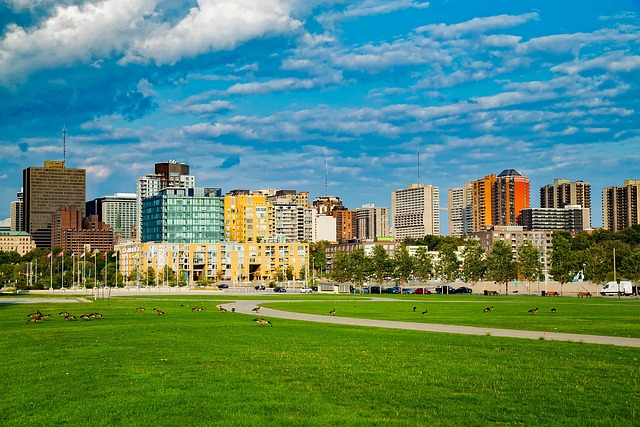
When you’re looking for land for sale Ontario under $20,000, the eastern part of the province and the Ottawa Valley region often pop up as places with potential. This area, stretching from the eastern edge of the Greater Toronto Area out towards Quebec, offers a mix of rural charm and proximity to larger centers. While you might not find sprawling estates at this price point, smaller parcels or lots in less developed communities can definitely be within reach.
Think about areas a bit further out from Ottawa itself, or towns along the St. Lawrence River. You might find properties that require some work, or perhaps lots that are part of larger, older subdivisions that never fully materialized. These can be great opportunities if you’re patient and willing to do a bit of digging. The key is often looking beyond the most popular, high-demand spots.
Here’s a general idea of what you might encounter:
It’s worth noting that while the overall cost of farmland in Ontario can be quite high, averaging around $4,900 per acre, these cheaper rural lots under $20,000 are typically not large agricultural operations. They are more often individual parcels suitable for a single dwelling or a recreational getaway. You can find more details on farmland prices in Ontario.
When considering land in this price range, it’s important to manage expectations. You’re unlikely to find a turnkey property ready for immediate development. Instead, focus on the potential and the value you can create through your own efforts or by partnering with local professionals. The dream of owning a piece of Ontario doesn’t always require a massive budget, but it does demand careful research and a realistic outlook.
Some areas to investigate might include communities east of Ottawa, or towns along the historic Rideau Canal system, though prices can vary significantly even within these regions. Always check local municipal websites for zoning and development information.
When you’re hunting for land in Ontario that costs less than $20,000, you’ll often find the best deals in what are called “unorganized townships.” Basically, these are areas that don’t have their own local government, like a town council or a municipality, to manage things. This lack of local governance often means lower property taxes and fewer development restrictions, which can be a big plus for budget-conscious buyers.
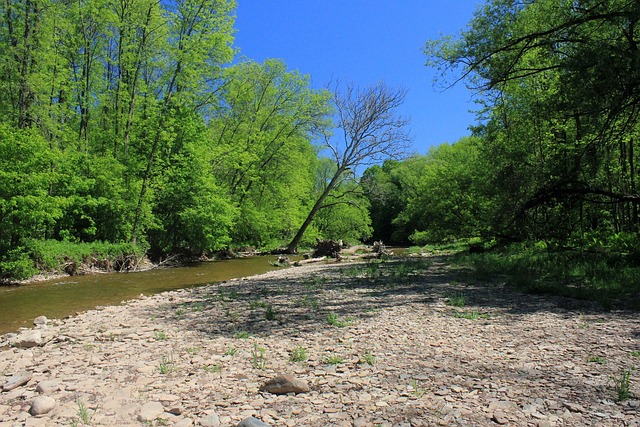
Think of these places as the wilder, less developed parts of Ontario. They’re usually pretty far north or in remote eastern regions. Because they aren’t managed by a municipality, you won’t find the same services you’d expect in a town – no garbage pickup, no local police force, and often, no paved roads leading directly to your property. It’s a trade-off, for sure. You get a lot more land for your money, but you also have to be prepared to be more self-sufficient.
The appeal of unorganized townships lies in their raw potential and affordability.
Here’s what you might encounter:
It’s important to know that “unorganized” doesn’t mean “lawless.” You’ll still be subject to provincial laws and regulations, and you’ll need to deal with the provincial government for things like building permits (if required) and property assessments. You’ll also need to figure out access – sometimes it’s via old logging roads or even just by boat or snowmobile in the winter.
Buying land in an unorganized township requires a bit more homework. You need to be extra sure about property boundaries, access rights, and what provincial rules apply to your specific parcel. Don’t assume anything; get all the facts before you commit.
When you’re looking at land for sale Ontario under $20,000, it’s important to set realistic expectations about what kind of access and infrastructure you’ll find. These parcels are typically priced low because they often lack the services you’d expect in more developed areas.
You should generally anticipate limited or no existing services on these properties. This means things like electricity, running water, and sewage systems are usually not present. Getting these services to the land can be a high added cost, sometimes far exceeding the purchase price of the lot itself.
Here’s a breakdown of what you might encounter:
Be prepared to do your homework on bringing services to the property. Sometimes, the cost of a well, septic, and electricity hookup can easily double or triple your initial investment. It’s wise to get quotes from local contractors before you finalize the purchase.
It’s not uncommon for these low-cost lots to be quite rustic. You might be looking at undeveloped woodland or fields with no cleared areas. Any existing structures, if present, are likely in disrepair and may need to be removed rather than renovated. Think of it as a blank canvas, but one that requires significant investment to make it livable or usable for your intended purpose.
When you’re looking at land for sale Ontario under $20,000, understanding zoning and land-use rules is super important. It’s not always straightforward, and what you can do with the property really depends on where it is and what the local municipality or township has decided.
The biggest thing to figure out is how the land is zoned. This dictates whether you can build a house, a seasonal cabin, a farm, or if it’s just for recreational use. Sometimes, especially with very cheap rural lots, the zoning might be quite restrictive. You might find areas zoned for “rural” use, which can be broad, or more specific zones like “agricultural,” “conservation,” or even “unorganized territory,” where rules can be different.
Here are some common things to check:
It’s also worth noting that some of these cheaper parcels might be in unorganized townships. These areas often have fewer regulations than organized municipalities, which can be good or bad. While it might offer more freedom, it also means less municipal support and potentially fewer services. You’ll want to look into the specific rules for rural zoning in the area you’re interested in.
Before you get too excited about a cheap piece of land, make sure you talk to the local planning department. They are the ones who can tell you definitively what you can and cannot do. It’s better to find out now than after you’ve already bought the property and realized your dream home won’t be possible.
Don’t forget to consider future possibilities too. While you might buy land for a specific purpose now, zoning changes can happen, though they aren’t always in your favor. Always do your homework on the local planning documents and official plans to get a clear picture of the land’s potential and limitations.
Buying land for under $20,000 in Ontario often means accepting certain trade-offs. It’s not always a straightforward path to owning a piece of the countryside. You might be looking at parcels that are quite remote, meaning longer drives to amenities or even basic services. Think about how often you’ll need to go into town for groceries, doctor’s appointments, or even just to pick up mail.
Another common issue is access. The land might not have a clear, maintained road leading to it. You could be looking at needing a four-wheel-drive vehicle, especially during certain seasons, or you might even have to budget for building your own driveway. This can add unexpected costs to your purchase.
Here are some things to watch out for:
The biggest trade-off is often the potential for future development or immediate usability. While the price is attractive, the effort and additional investment required to make the land functional can sometimes outweigh the initial savings. It’s a bit like buying a fixer-upper house – the sticker price is low, but the renovation costs can add up quickly.
When you see land priced significantly below market value, it’s usually for a reason. That reason could be remoteness, lack of access, difficult terrain, or legal encumbrances. It’s important to go into the purchase with your eyes wide open, understanding that the low price reflects these potential challenges. Don’t let the dream of cheap land blind you to the practical realities of what you’re buying.
Finding land for sale Ontario under $20,000 often means you’re looking at more remote or undeveloped parcels. This price point usually means traditional mortgage lenders might be hesitant. Banks typically want to see a solid structure or significant development potential before offering a mortgage on raw land, especially in less accessible areas.
So, how do you pay for these budget-friendly rural lots? You’ll likely need to get creative. Cash is king, and many sellers of lower-priced land are more amenable to direct cash offers, sometimes even with a bit of room for negotiation.
Here are some common ways people finance these types of purchases:
When considering seller financing or private lenders, it’s wise to have a lawyer review the agreement. They can help you understand the terms, interest rates, repayment schedules, and any potential penalties. It’s also important to understand the total cost, including any fees or interest, to make sure it still fits your budget.
Be aware that the lower the price of the land, the less likely traditional financing options will be available. You’ll need to be prepared with alternative payment strategies or have the full amount ready to go. Always factor in closing costs, potential survey fees, and any immediate development or access improvements that might be needed, as these add to the overall expense beyond the purchase price.
Buying land, especially when you’re looking at lower price points, means you really need to do your homework. It’s not like buying a car, where you can just kick the tires and drive away. You’ve got to be sure about what you’re actually buying.
First off, checking ownership is key. You want to see the official documents that prove who really owns the land. This usually involves looking at the property’s title. A title search, often done by a lawyer or a title insurance company, will show you the history of ownership and if there are any claims or debts attached to the property. This step helps prevent nasty surprises down the road, like someone else having a legal right to the land.
Then there’s the survey. A survey is like a map of the property boundaries. It shows exactly where the land starts and stops. Sometimes, especially with older properties or those in more rural areas, the boundaries might not be clear or might have been disputed over time. Getting a recent survey done, or at least reviewing an existing one, can save you a lot of headaches. It’s important to know if there are any encroachments – like a neighbor’s fence or shed crossing onto the land you’re interested in.
Here’s a quick rundown of what to look for:
It’s also wise to look into any easements or rights-of-way that might affect the land. These are legal agreements that allow someone else to use a portion of the property for a specific purpose, like running power lines or providing access to a neighboring property. You don’t want to buy land only to find out you can’t use a big chunk of it because of an existing easement.
When you’re looking at land under $20,000, it’s common to find that it might be in an unorganized township. This means there aren’t local municipal bylaws governing land use in the same way as in organized areas. While this can mean fewer restrictions, it also means you need to be extra diligent about understanding provincial regulations and any potential future changes. Don’t assume that just because it’s cheap, it’s automatically free and clear of all obligations or limitations.
Finally, don’t hesitate to get professional help. A real estate lawyer is your best friend in these situations. They can review all the documents, explain what they mean in plain English, and make sure everything is legally sound before you sign anything. It might cost a bit upfront, but it’s a small price to pay for peace of mind and avoiding costly mistakes.
Finding land for sale Ontario under $20,000 requires some effort, but it’s definitely achievable. You won’t typically find these deals on the front page of major real estate sites, but they do pop up.
Your best bet is often to look in less populated areas or unorganized townships where land prices are naturally lower.
Here are some practical ways to track down these affordable rural lots:
Properties listed at this price point often require significant work or have limitations. Be prepared for:
Buying land under $20,000 often means you’re looking at raw, undeveloped parcels. It’s important to do thorough due diligence, including checking for any liens, easements, or environmental concerns, and understanding the local zoning regulations before making an offer. Don’t skip the survey if one isn’t readily available.
Looking for cheap land in Ontario? Finding properties under $20,000 can be tricky, but there are great tools and websites out there to help. Don’t miss out on these amazing deals! Visit our website today to discover the best platforms for finding affordable land.
So, you’ve seen that buying land in Ontario for under $20,000 is definitely possible, even if it takes a bit of looking. We’ve talked about areas that might surprise you with their affordability, and it really comes down to knowing where to search and what to look for. Don’t get discouraged if your first few tries don’t pan out. Keep checking those listings, maybe broaden your search a little, and you might just find that perfect spot to build your dream or just get away from it all. It’s out there, you just have to find it.
For less than $20,000, you’re most likely to find rural lots or smaller parcels of undeveloped land. These are often located in more remote areas, such as Northern or Eastern Ontario, or within unorganized townships. The land might require significant clearing or have limited access, but it offers a chance to own a piece of Ontario’s natural beauty at a very affordable price.
Yes, generally, Northern Ontario tends to have the most affordable land due to its vastness and lower population density. Eastern Ontario and areas around the Ottawa Valley can also offer good value. Unorganized townships, which don’t have municipal services, are often where the lowest prices are found.
Land priced under $20,000 often comes with limited or no existing services like electricity, water, or sewer hookups. Access might be via unmaintained roads or require a four-wheel-drive vehicle. You should be prepared to invest in developing these yourself, which can add to the overall cost.
Zoning regulations vary greatly. Some cheap lots might be zoned for residential use, while others could be designated for agricultural or recreational purposes. It’s crucial to research the specific zoning for any property you’re interested in to ensure it aligns with your plans, as building or using the land might be restricted.
The biggest risks include hidden costs for development (like bringing in utilities or improving access), potential legal issues with ownership or boundaries, and limitations due to zoning or environmental regulations. It’s also possible the land might not be suitable for the purpose you intend, such as building a home.
While many sellers of very inexpensive land might prefer cash offers, some may offer seller financing. Traditional bank loans for land purchases under $20,000 can be difficult to secure. Exploring options like personal loans or saving up for a full cash purchase might be more practical.
Before buying, it’s essential to confirm ownership by reviewing the title. You should also obtain a recent survey to understand the property boundaries and check for any easements or encumbrances. Hiring a real estate lawyer is highly recommended to guide you through these legal checks.
You can search online real estate platforms, focusing on filters for price and location (like Northern or Eastern Ontario). Local real estate agent websites and sometimes even classified ads or local community boards might also have listings. Be persistent, as these deals can move quickly.