Why Is Beef So Expensive in Canada
March 5, 2026


It feels like every time you head to the grocery store, the price of beef just keeps climbing. You might be wondering, “Why is Canadian beef so expensive?” Well, it’s not just one thing, but a whole bunch of factors all piling up. For starters, the number of cattle in Canada has dropped significantly, hitting lows not seen in decades. This means there’s simply less beef available to go around. When supply goes down and demand stays steady or even goes up, prices naturally have to rise. It’s basic economics, really.
Then there are the costs associated with raising cattle. Feed prices can fluctuate wildly, and when they go up, it costs producers more to keep their herds healthy. Add to that the rising costs of labour, energy, and transportation across our vast country, and you can see how expenses add up quickly. Even niche products like why is wagyu beef so expensive are affected by these broader market forces, though their premium status adds another layer of cost.
The complex web of factors, from herd size and feed costs to transportation and processing, all contribute to the sticker shock Canadians face at the butcher counter. It’s a challenging environment for both producers and consumers.
On top of that, Canada’s beef processing sector is quite concentrated, with a few large companies handling a significant portion of the supply. This can sometimes lead to concerns about market influence. Global market dynamics also play a role; international demand and trade policies can affect the availability and price of beef here at home. It’s a complicated picture, and unfortunately for our wallets, it all adds up to higher prices at the checkout. The recent removal of GST on certain food items did offer some relief, but the underlying pressures on beef prices remain significant.
The Canadian beef market is facing some tough times right now, and it’s changed a lot over the past few years. If you look at the numbers, Canada’s beef cattle herd keeps shrinking. Latest stats show that as of 2025, there are only about 3.38 million beef cows in the country, which is the lowest since the late ‘80s. At the same time, the cost of beef for an everyday shopper is a lot higher than even a few years ago—striploin and sirloin have jumped more than 30%, and ground beef is up more than 20% in just the last year. All this while other meats like pork and chicken haven’t risen nearly as quickly.
| Year | Beef Cow Inventory (Millions) | Average Price Increase (Top Cuts) |
| 2023 | 3.42 | 15%-18% |
| 2024 | 3.38 | 20%-22% |
| 2025 | 3.32 (est.) | 28%-34% |
It’s not just down to one reason, though. There are only a handful of big companies that handle beef processing in Canada, which means prices can move up quickly if there’s any bump in costs or problems moving product. Transportation is expensive, especially with the distances beef has to travel across this huge country, and then there’s the added hit from things like carbon pricing and higher wages.
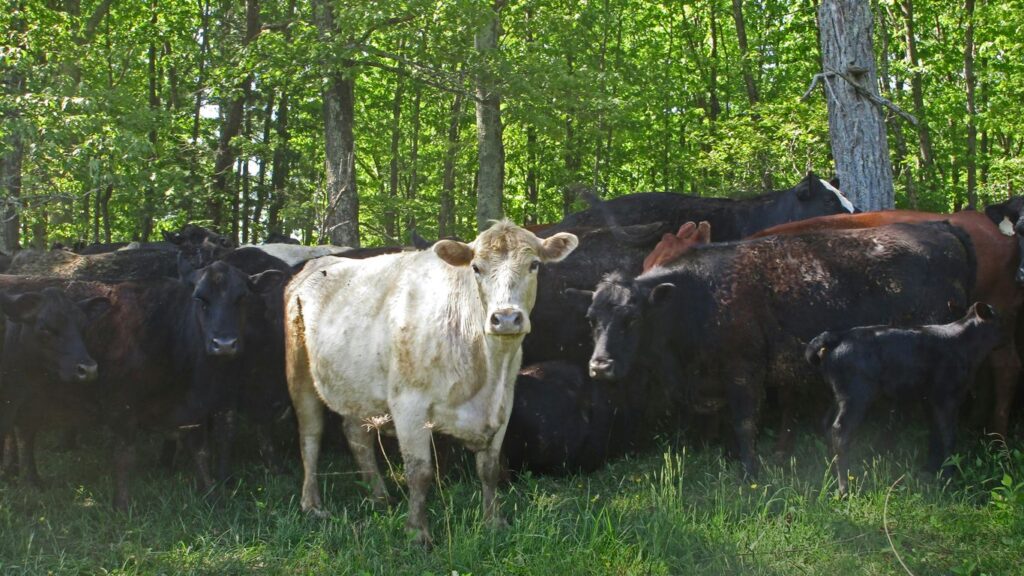
These days, beef just isn’t the regular dinnertime choice it used to be. A lot of Canadians are switching to cheaper cuts or just eating beef less often, only buying it for special occasions. And for the farmers, it’s not just about prices—they’re deciding whether to keep going or get out, and more of them are calling it quits.
Still, Canadian beef has a good reputation for quality—not just inside Canada but for export too. But between production challenges, consumer belt-tightening, and higher prices, the market feels a bit shaky. You’ll still see Canadians firing up the barbecue on a hot summer evening, but the steaks might be thinner, and the occasion a little more rare.
The journey of beef from the farm to your plate in Canada is a long and complicated one, and it’s facing some serious bumps right now. Think about it: Canada is a huge country, and getting cattle and then the processed meat from where they’re raised to the grocery stores across the nation costs a pretty penny. Transportation expenses are a big chunk of that, especially with fuel prices doing their own thing.
Then there’s the issue of processing. We don’t have an endless supply of big meatpacking plants. A limited number of these facilities means that when something goes wrong, like a breakdown or a labour shortage at one of them, it can create a bottleneck for the whole country. This lack of processing capacity can slow things down and add to the final cost. It’s a bit like having only a few highways connecting major cities – if one closes, traffic grinds to a halt.
We’re also seeing a shrinking cattle herd. The number of beef cows in Canada is at its lowest point in decades. This means there are simply fewer animals to go around. When supply goes down and demand stays steady or even goes up, prices naturally climb. This situation is made worse by things like drought in cattle-raising regions, which drives up the cost of feed and makes it harder for farmers to keep their herds healthy and growing. It’s a tough cycle for producers, and it directly impacts what we see on the shelves.
The complex web of getting beef from ranches to tables involves significant costs related to transportation, processing limitations, and the sheer scale of the country. These factors, combined with a reduced number of cattle available, create a perfect storm for higher prices.
These supply chain hurdles are a major reason why beef prices have been on the rise. It’s not just one thing, but a combination of factors that make the whole process more expensive. For instance, the cost of feed for cattle has gone up, and farmers are also dealing with increased expenses for things like labour and energy. All these rising costs get passed down the line, eventually showing up at the checkout. It’s a tough situation for both producers and consumers trying to manage their grocery bills, especially when you consider how grocery price inflation has been accelerating since late 2024.
It’s a complex picture, and these supply chain issues are a significant piece of the puzzle when trying to understand why beef is so pricey in Canada right now.
It feels like everything is costing more these days, and beef is definitely no exception. You’ve probably noticed it at the grocery store – those prices have really climbed.
Several things are pushing beef prices up. For starters, the cost of just about everything that goes into raising cattle has gone up. Think about feed, fuel for tractors and trucks, and even the labour it takes to care for the animals. When those costs rise, it naturally makes its way down the line to us consumers. We’re seeing feed prices, for example, that are way higher than they used to be, sometimes doubling or even tripling in just a couple of years. This makes it tough for ranchers to keep their operations running smoothly.
Here’s a quick look at how some costs have jumped:
| Cost Category | Approximate Increase (Recent Years) |
| Cattle Feed (Hay Bales) | 100% – 200% |
| Fuel & Energy | Significant |
| Labour | Significant |
On top of that, there’s the general inflation we’re all experiencing. It’s not just beef; it’s groceries, gas, housing – you name it. This widespread increase in prices means that even if production costs for beef weren’t soaring, it would still feel more expensive because our overall purchasing power has decreased. It’s a double whammy, really. The cost to produce beef is up, and the value of the money we have to spend on it is down.
The ripple effect of rising input costs and general economic inflation means that the price tag on beef reflects a complex web of increased expenses, from the farm gate all the way to your dinner plate.
This situation makes it harder for families to budget for meals, and it’s forcing many to rethink how often they can afford to put beef on the table. It’s a tough spot for both producers and consumers, and it’s a big reason why beef has become such a significant part of the grocery bill conversation. For those looking to manage their spending, understanding these market dynamics can be a first step.
Beyond the farm gate, a whole host of rules and environmental considerations add to the cost of getting beef from the pasture to your plate. Canada’s vast geography means transportation is a big deal, and with that comes fuel costs and the impact of carbon pricing. Think about it: moving cattle, feed, and finished products across the country isn’t cheap, and policies aimed at reducing emissions can add to those expenses.
Then there are the regulations. The beef industry has to follow a lot of rules related to animal welfare, food safety, and environmental protection. While these are important for producing good quality, safe food and looking after the land, they do require investment from producers and processors. This can mean new equipment, more training, or changes to how things are done on the farm, all of which have a price tag.
The complexity of regulations, coupled with the significant costs associated with environmental stewardship and transportation across a large nation, directly influences the final price consumers pay for beef. These aren’t minor details; they are substantial operational considerations.
It’s also worth noting that Canada has a relatively small number of large beef processing plants. When you have fewer big players in charge of processing, it can sometimes lead to less competition and potentially higher costs being passed down the line. Unlike in the United States, where there have been significant actions taken against potential price-fixing in the meat industry, Canada’s Competition Bureau hasn’t always been as active in this area, leaving some questions about market fairness unanswered.
It’s not just what’s happening here in Canada that affects beef prices. The global market plays a pretty big role too. Think about it – Canada exports beef, and we also import it from other countries like Australia and Mexico. When demand is high elsewhere, or when other countries face their own production issues, it can shift the whole picture.
For instance, if there’s a big demand for Canadian beef in places like South Korea, some of our prime cuts might get shipped out, meaning fewer of those specific cuts are available on our own store shelves. This can push prices up here, especially for those cuts that are popular internationally but maybe not as much of a staple for us. It’s a bit of a balancing act.
The interconnectedness of the global food system means that events far away can ripple back and impact what we pay at the grocery store. Fluctuations in international trade policies, currency exchange rates, and even disease outbreaks in cattle herds in other nations can all contribute to the price of beef in Canada.
And then there’s the U.S. market. Because the border is so open for beef between our two countries, what happens south of the border really matters. If U.S. meatpackers face disruptions, like plant closures or issues with disease, it can affect the supply and demand dynamics that influence Canadian prices. It’s a constant back-and-forth that keeps things interesting, and sometimes, expensive. The massive monetary and fiscal stimulus in 2020-2021 led to unprecedented beef demand, but subsequent inflation and rising interest rates are now impacting the cattle market, creating uncertainty for prices and producers. This uncertainty can definitely be felt at the checkout counter.
Sometimes, even things like tariffs imposed by one country on imports from another can indirectly affect us. It’s a complex web, and it shows how much our beef prices are tied to what’s happening on the world stage, not just in our own backyards. It’s a reminder that the cost of our food is influenced by a lot more than just local supply and demand. The high cost of certain medications in Canada, for example, is also influenced by global factors like research and development costs and international demand, showing a broader trend of how global markets affect consumer prices. This is similar to how beef prices are affected.
It’s pretty clear that Canadians still really like beef. Even with the sticker shock at the grocery store or when eating out, demand has stayed strong. People are creatures of habit, right? If beef was a regular part of your meals before, it often stays that way, even if you have to adjust how much you buy or which cuts you choose. It’s a favourite protein for many, and that loyalty is a big part of why prices are what they are.
However, we are seeing some shifts. Beef is starting to feel more like a treat than an everyday meal for a lot of families. When prices go up this much, people start looking for ways to save. Some are switching to cheaper cuts, like blade steak instead of a roast, or opting for ground beef more often. It’s not that people are giving up beef entirely, but they are definitely being more mindful about when and how they buy it. This means beef is becoming more of an occasional indulgence, reserved for special dinners or holidays, rather than a weekly staple.
The strong desire for beef, coupled with fewer animals available, creates a perfect storm for higher prices. It’s a situation where what people want and what’s actually available are out of sync, pushing costs up for everyone.
This trend is a bit of a shame, honestly. Beef offers a lot of good things – it’s a natural source of protein, and Canadian ranchers are working hard on things like environmental care and animal welfare. Plus, it supports jobs in rural areas. But when the price tag gets too high, even the most loyal fans have to make changes. It’s a balancing act between enjoying a favourite food and managing a household budget, and right now, the budget is winning out for many. For those looking to keep enjoying beef without breaking the bank, exploring options like Canadian equivalents for investments might be a way to free up some funds, though that’s a different topic entirely.
It’s no secret that beef prices have been climbing, making that weekly steak dinner feel more like a special occasion. But don’t despair, there are still ways to enjoy beef without completely breaking the bank. One smart move is to get friendly with different cuts. While prime cuts like ribeye and sirloin grab the spotlight, don’t overlook the value in secondary cuts. Think chuck, round, or even flank steak. These cuts might require a bit more attention in the kitchen – maybe a longer braise or a good marinade – but they can offer fantastic flavour and texture at a lower price point. You can often find great deals on these less popular, but still delicious, options.
Buying in bulk when possible can also lead to savings, especially if you have freezer space. Consider splitting a larger purchase with a friend or family member. Another strategy is to be mindful of sales and promotions at your local grocery stores. Planning your meals around what’s on sale can make a significant difference over time. Sometimes, looking at different retailers can also yield better prices, so a little comparison shopping might be in order.
The current beef market can feel overwhelming, but smart shopping habits can help manage costs. Focusing on less common cuts, buying strategically, and keeping an eye out for deals are all practical ways to keep beef on your table more often.
Consider incorporating beef into meals less frequently, perhaps as a flavour enhancer rather than the main event. A small amount of ground beef can add richness to pasta sauces or stir-fries, stretching the meat further. Alternatively, explore plant-based protein sources for some meals to balance your grocery budget. For those looking to plan for the future, understanding retirement savings options like theRegistered Retirement Savings Plan can help ensure long-term financial stability, indirectly easing pressure on household budgets for everyday items like groceries.
Actually, yes. The number of cattle in Canada is at its lowest point in decades. Fewer cows on farms across the country means less beef in stores. It’s not just about the numbers, either—the supply chain has a hard time keeping up when herds are this small. All of this together makes it tough for meat shops to keep prices lower and shelves fully stocked. Farmers are working to rebuild herds, but it’s a slow process, so shortages might keep popping up for now.
Right now, the price for beef has shot up quite a bit, especially over the past two years. According to recent reports from sources like historic highs for cattle prices, prices have jumped more than 20 per cent per year over that time. Here’s a rough table with examples you might see at your local grocery store (prices as of early 2026):
| Cut of Beef | Average Price (per kg) |
| Striploin steak | $36 – $42 |
| Ground beef | $13 – $16 |
| Chuck roast | $18 – $22 |
The cost depends on where you shop and which province you live in, but these prices are hard to ignore.
Canada is known for producing some very high-quality beef. Much of it comes from grassland regions where cattle can graze freely. Canadian standards are also pretty strict around animal welfare and food safety. You’ll find that Canadian beef gets exported to many other countries because of its quality. For folks at home, this means that the beef you buy usually hits a high bar for taste and safety—even if it costs a bit more.
There are a few reasons. The main one is that Canada doesn’t have as many large-scale beef farms as the US, so the supply can be a lot tighter up here. At the same time, there’s less competition in meat processing, which drives up costs further. Transportation is another factor—it takes longer (and costs more) to move beef around Canada. On top of all that, inflation and higher feed prices have hit Canadian farmers hard recently, making it tough to keep prices close to what you’d see south of the border.
If you’re hoping for prices to fall soon, you might be waiting a while. The beef industry in Canada is still dealing with smaller herds and higher input costs. Even if inflation cools off a bit, it takes years for farmers to build up livestock numbers to the point where prices could go down. Experts think beef will stay expensive through 2026, unless something unexpected changes supply in a big way.