Ontario Line Pape Village Businesses Struggling Amid Construction
November 27, 2025


The construction for the Ontario Line project is causing a lot of trouble for businesses in the Pape Village area. It’s been tough for them, and people are talking about it. This article looks at why Ontario Line Pape Village businesses struggling and what’s being done.
It feels like everywhere you turn in Pape Village, there’s construction. And while the Ontario Line project promises future benefits, right now, it’s making life really tough for the local shops and restaurants. This isn’t just a minor inconvenience; it’s a serious threat to the livelihoods of many small business owners who have called this area home for years.
Think about it: how many times have you decided against going somewhere because parking was a nightmare, or the street was blocked off? That’s the daily reality for businesses along Pape Avenue. Customers can’t get to them easily, deliveries are a hassle, and the constant noise and dust aren’t exactly inviting.
Here’s a look at some of the immediate impacts:
The sheer scale of the construction means that even businesses not directly adjacent to the work sites are feeling the ripple effects. It’s a widespread issue affecting the entire commercial fabric of Pape Village.
It’s a tough situation, and many are worried about how much longer they can keep their doors open if things don’t improve soon.
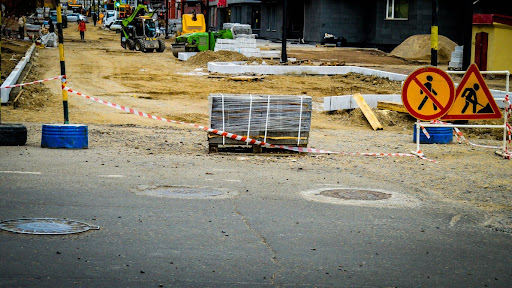
Ontario Line Pape Village businesses struggling particularly around the Pape Village area, have been struggling, causing significant disruption. It’s not just about noise and dust, though there’s plenty of that. The main issue for businesses here is how the work physically alters the streetscape, making it harder for people to get around.
Think about it: major road closures, detours that send traffic miles out of the way, and sidewalks that are partially blocked or completely gone. This directly impacts foot traffic, which is the lifeblood for many local shops and restaurants. When potential customers can’t easily see your storefront or get to it without a hassle, they tend to go elsewhere.
Here are some of the ways the ongoing work is making things tough:
The physical presence of construction, with its barriers and altered pathways, fundamentally changes how people interact with the commercial strip. It’s a constant reminder of the disruption, and for many, an active deterrent to stopping and shopping.
Some businesses have reported significant drops in sales since the work began. For example, a local cafe owner mentioned that their morning rush has dwindled because regular commuters now take different routes to avoid the construction zone. It’s a domino effect; fewer people walking by means fewer impulse buys, fewer people stopping for a coffee, and ultimately, less revenue coming in.
Metrolinx has stated that they are acquiring some properties due to potential structural impacts from tunneling. While this is focused on residences, the broader impact on the commercial fabric is undeniable. The constant digging and tunneling create vibrations and can lead to unforeseen issues, adding to the general unease among business owners about the long-term effects on their properties and operations.
It’s not just the big picture stuff; the day-to-day grind is what’s really wearing down businesses along Pape Avenue. Think about it: construction means constant noise, dust, and a general mess that makes just walking down the street unpleasant. For shops that rely on foot traffic, this is a huge problem. People might just decide to go somewhere else, somewhere easier to get to and more pleasant to be in.
The constant detours and blocked sidewalks are a major headache for both customers and delivery drivers. Getting supplies can become a logistical nightmare, and customers often can’t even find a place to park, let alone walk to the store.
Here’s a look at some of the daily hurdles:
The sheer unpredictability of the construction schedule adds another layer of stress. Businesses can’t plan events or promotions effectively when they don’t know what level of disruption to expect from one week to the next. It feels like a constant state of emergency, just trying to keep the doors open.
Delivery trucks also face a tough time. What used to be a quick drop-off can turn into a lengthy ordeal, with drivers struggling to find legal and safe places to load and unload their goods. This can lead to delays and increased costs, which eventually get passed on to the consumer or eat into the business’s already slim profit margins.
One of the biggest headaches for businesses around Pape Village right now is the sheer unpredictability of it all. Metrolinx, the agency in charge of the Ontario Line, has had to acquire properties along Pape Avenue between Langley and Riverdale avenues. This wasn’t always the plan, and it’s causing a ripple effect.
Initially, some residents were told their homes wouldn’t be affected. But as tunneling work progressed, updated assessments showed potential structural impacts, even if minor, like cracks in foundations or walls. To be safe, Metrolinx decided to acquire these properties. This means people have to move, and businesses lose customers who lived nearby or could easily access them.
Here’s a look at the timeline and impact:
This constant shifting and the need for property acquisition create a sense of unease. Businesses can’t plan effectively when they don’t know what the next disruption will be. Will access roads change? Will more properties be acquired? This uncertainty makes it incredibly difficult for shop owners to forecast sales and manage their operations.
The need for Metrolinx to acquire properties, even after initial assurances, highlights the complex and sometimes unpredictable nature of large-scale infrastructure projects. For local businesses, this means dealing with a constantly changing environment that directly affects foot traffic and customer access.
It’s not just about the physical space being taken; it’s about the disruption to the community fabric. When homes and local services like daycares are uprooted, the entire neighborhood feels it, and that directly impacts the customer base for these small businesses.
The financial strain on businesses in Pape Village due to the Ontario Line construction is becoming a significant issue. Many owners are reporting a sharp drop in revenue, making it hard to cover daily operating costs. This isn’t just a minor inconvenience; it’s a serious threat to their livelihoods.
The consistent disruption to foot traffic and accessibility is the primary driver of these financial woes. Customers find it difficult to reach the shops, and the constant noise and dust create an unwelcoming atmosphere. This combination directly impacts sales.
Here’s a look at some of the financial hurdles:
The prolonged nature of the construction means that these financial pressures are not short-term. Businesses are having to make tough decisions, sometimes cutting staff hours or even considering closure if conditions don’t improve soon. The long-term viability of many local establishments is now in question.
While some businesses might be able to weather this storm with savings or loans, many smaller, independent shops in Pape Village are operating on thin margins. The ongoing Ontario Line Pape Village businesses struggling situation is pushing them to the brink, and without significant support or a change in circumstances, the economic landscape of the neighborhood could be permanently altered.
It’s tough seeing local shops deal with the constant disruption from the Ontario Line construction. But the community here in Pape Village isn’t just standing by. People are really making an effort to show up for these businesses.
Many residents are making a conscious choice to shop locally, even when it’s a bit more inconvenient. Instead of heading to a big box store or ordering online, they’re walking down the street to grab their coffee, pick up groceries, or get a haircut. It’s a small act, but when a lot of people do it, it makes a big difference.
Here are some ways folks are pitching in:
The sentiment among many residents is that these businesses are the heart of Pape Village. Losing them would change the whole feel of the neighborhood. So, there’s a strong desire to help them weather this storm.
Some businesses have even seen an uptick in customers who specifically mention they’re coming because they heard about the struggles and want to help. It shows that the community cares and is actively trying to keep these vital parts of Pape Village alive and well through this difficult construction phase.
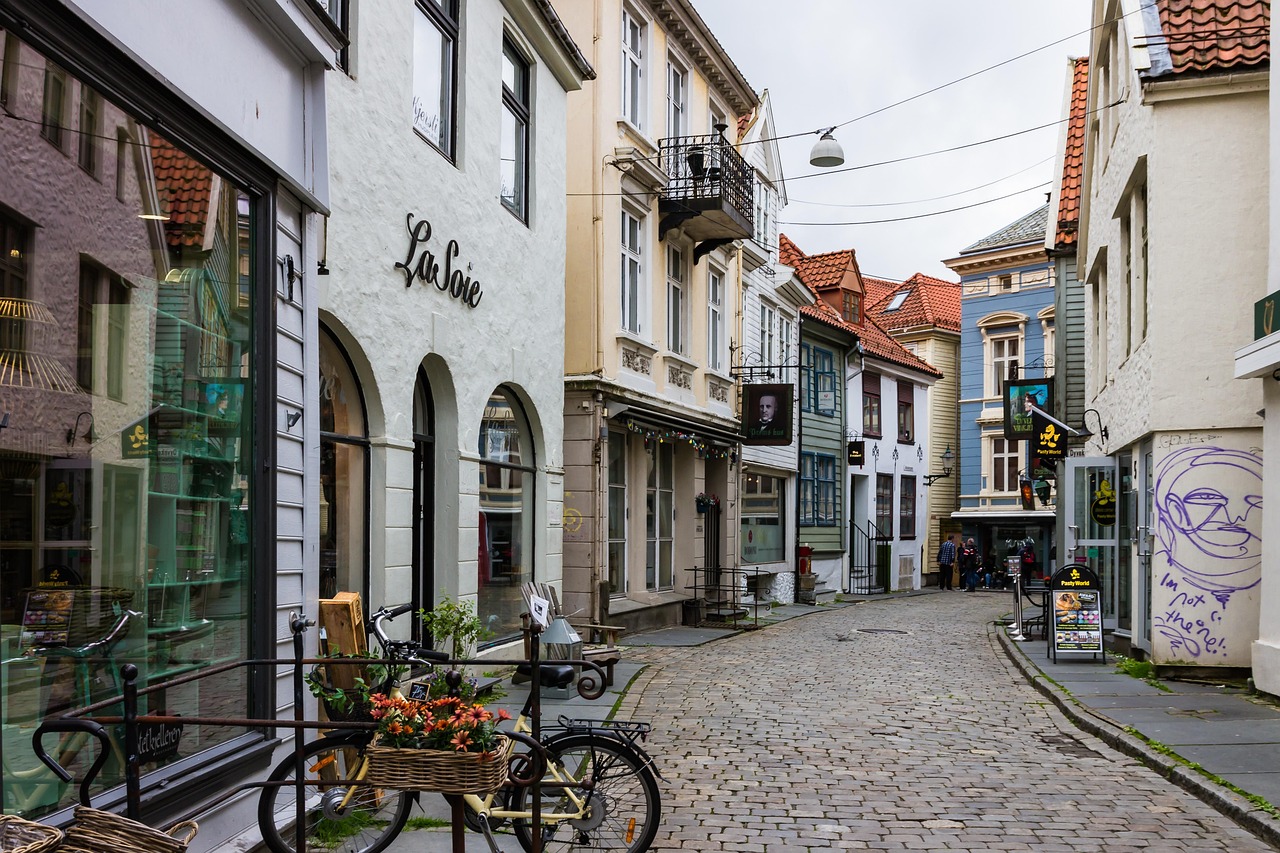
Officials are aware of the difficulties businesses in Pape Village are facing due to the Ontario Line construction. Efforts are underway to try and lessen the impact, though some business owners feel it’s not enough. Metrolinx, the transit agency in charge, has stated it is working to support those affected.
Here’s a look at some of the actions being taken:
The core issue seems to be balancing the need for major infrastructure development with the immediate economic health of established local communities. Finding that balance is proving to be a significant challenge for everyone involved.
Metrolinx has also mentioned that property owners directly impacted by construction, especially those whose homes might experience minor structural issues due to tunneling, are being offered fair market value for their properties. Relocation specialists are also working with tenants to find new places to live. For businesses, the agency says it’s working directly with owners to find agreeable solutions, acknowledging the challenging nature of the process. However, the timeline for completion, set for 2031, means these struggles could continue for a long time.
The road ahead for businesses in Pape Village, impacted by the Ontario Line construction, is uncertain but holds potential for recovery and adaptation. While the immediate future is tied to the completion of the transit project, which is currently slated for 2031, there are steps being taken and strategies that can help.
The ultimate success of these businesses will depend on a combination of continued community support, effective mitigation efforts from transit authorities, and the businesses’ own resilience.
Here’s a look at what the future might entail:
The period leading up to the Ontario Line’s completion presents a significant hurdle. Businesses have faced prolonged periods of reduced visibility and customer access. The hope is that the long-term benefits of the new transit line will eventually outweigh the short-term difficulties, but this requires careful management and support for the local economy during the construction phase.
The future of businesses in Pape Village, especially those impacted by the Ontario Line project, is a big question. Many local shops are worried about how the construction will affect their daily operations and customer traffic. We’re keeping a close eye on how these challenges might shape the area’s economy. Want to learn more about how businesses are adapting and what support might be available? Visit our website for the latest updates and insights.
Businesses in Pape Village are facing difficulties mainly because of the ongoing construction for the Ontario Line subway. This project has caused a lot of disruption, making it harder for customers to get to the shops and restaurants. Think about all the noise, road closures, and general mess that comes with big construction projects – it really affects how many people can visit and spend money.
The construction creates many problems. For example, it can block streets, making it difficult for people to drive or even walk to the stores. Sometimes, there’s a lot of dust and noise, which isn’t very pleasant for shoppers. Also, the construction might take away parking spots that customers used to rely on. All these things combined make it tough for businesses to keep their doors open and make sales.
Every day is a challenge. Business owners might see fewer customers walking in because it’s harder to reach them. Deliveries can be delayed due to road changes. The constant noise can also drive people away. Many owners are worried about paying their bills and keeping their staff employed because their income has dropped significantly. It’s a constant battle to stay afloat.
A big reason is the significant drop in foot traffic. When construction makes it hard to get around or creates an unpleasant environment, people tend to avoid the area. This means fewer people are stopping by to shop, eat, or use services. For businesses that rely on people passing by, this lack of regular customers is a huge blow.
The financial strain is immense. With fewer customers, sales go down, but the costs of running a business, like rent and utilities, often stay the same or even increase. Some businesses have had to cut back on staff or reduce their operating hours. Many are dipping into their savings or taking out loans just to survive, which is a very stressful situation.
Residents and visitors can make a real difference by making a conscious effort to support these businesses. This means choosing to shop at local stores, eat at neighborhood restaurants, and use local services whenever possible, even if it takes a little extra effort to get there. Spreading the word about businesses that are still open and doing well can also help attract more customers.