When Will The New Canada Disability Benefit Begin
January 19, 2026

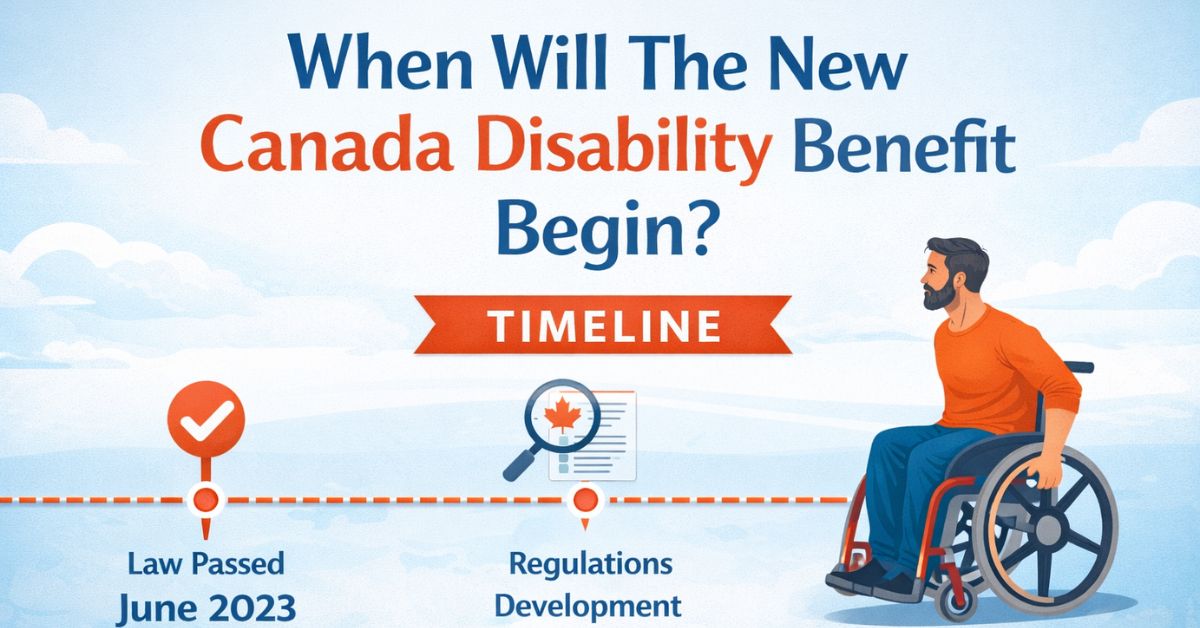
There’s been a lot of talk about the new Canada Disability Benefit, and many people are asking: when will the new Canada Disability Benefit begin? It’s a big question, and the answer involves a few key dates and steps. We’ve gathered the latest information to help you understand the timeline for this important program.
So, you’re wondering when will the new Canada Disability Benefit begin? It’s a question on a lot of people’s minds, and for good reason. This benefit is a significant advantage for many Canadians with disabilities, providing much-needed financial support.
Think of it like this: for years, people have been talking about this, and now it’s finally getting closer. The government has been working through the steps to get it set up. It’s not just a simple switch being flipped; there’s a whole process involved to make sure it works right for everyone who needs it. The official launch is targeted for 2026, but there are key dates and steps leading up to that.
Here’s a quick look at what’s been happening and what to expect:
It’s important to remember that while the goal is to have this benefit running smoothly, the timeline can involve many moving parts. Staying informed about the official announcements is key.
We’ll break down the timeline and what you need to know about when will the new Canada Disability Benefit begin, from application to receiving your first payment. It’s about getting clarity on when will the new Canada Disability Benefit begin so you can plan. Everyone’s eager to know when will the new Canada Disability Benefit begin, and we’re here to help map it out.
So, what exactly is this new Canada Disability Benefit (CDB) all about? Think of it as a new layer of support, aiming to help Canadians with disabilities who are between 18 and 64 years old. The government has put aside a significant amount of money for this, with a big chunk of it starting in 2024-25. The idea is to provide a yearly maximum of $2,400 to low-income individuals with disabilities. They figure this could really boost the financial security for over 600,000 people.
This whole initiative is part of a larger plan called the Disability Inclusion Action Plan. It’s been a long time coming, with roots going back to announcements in 2020 and legislative attempts in 2021 and 2022. The government really emphasized that they developed this with input from thousands of Canadians with disabilities, which is pretty important. They want to make sure it’s done “Nothing Without Us,” as they say.
Here’s a quick look at some key aspects:
The program is designed to work alongside existing provincial and territorial supports, though how exactly that interaction will play out is still being figured out. It’s a complex puzzle, trying to fit a new federal benefit into a system that already has many pieces.
It’s also worth noting that if you’re already getting benefits like the Canada Pension Plan (CPP) disability, your earnings can affect how much you receive. For instance, once your earnings hit $7,400 before tax in 2026, you’ll need to let Service Canada know so they can adjust your payments correctly. This is just one of the details to keep in mind as the Canada Disability Benefit gets closer to its launch.

This new Canada Disability Benefit (CDB) is a pretty big deal for a lot of people. It’s not just another handout; it’s designed to be a real safety net, aiming to lift folks out of poverty and give them a bit more financial breathing room. Think about it – many Canadians with disabilities face extra costs just to get by, costs that people without disabilities don’t have to worry about. This benefit is meant to help cover some of those expenses, making life a little less of a struggle.
The goal is to make sure that people with disabilities have a better chance at financial security and can participate more fully in society. It’s about dignity and fairness, really. The government has been talking about this for a while, and it’s finally coming together. It’s part of a larger plan to make Canada more inclusive for everyone.
Here’s a quick look at what the CDB aims to do:
It’s important to remember that this benefit is intended to work alongside existing provincial and territorial supports. The idea is to supplement, not replace, what’s already available. The government has been consulting with disability groups and individuals to make sure the benefit is designed with real needs in mind. It’s a step towards acknowledging the extra challenges many face and providing tangible support. This program is a cornerstone of the Government of Canada’s Disability Inclusion Action Plan, and it’s expected to help over 600,000 low-income individuals.
The development of this benefit has involved extensive consultation, aiming to reflect the principle of ‘Nothing Without Us.’ This means that people with disabilities have been central to shaping the program, ensuring it addresses their actual needs and concerns.
It’s also worth noting the financial commitment behind the CDB. The government has put aside significant funding to make this happen, showing a serious investment in the well-being of Canadians with disabilities. This isn’t a small, temporary program; it’s being built as a lasting part of Canada’s social support system. You can find more information about the Government support for Canadians and how it’s evolving.
So, when exactly does this new Canada Disability Benefit (CDB) kick off? It’s been a long time coming, and people are eager for details. The official launch for applications is set for June 20, 2026, with the first payments expected to start rolling out in July 2026. This means that if you apply and get approved by the end of June 2026, you should see your first payment the following month.
It’s important to remember that this timeline is based on the information available as of mid-2026. Things can shift, but this is the current plan.
Here’s a quick look at the key dates leading up to the benefit becoming available:
The government has been working to make the application process as accessible as possible. You’ll be able to apply online, in person at a Service Canada office, or over the phone. They’re also planning to have community organizations help people navigate the application process.
Keep in mind that processing times can vary. While they aim to process applications within 28 days, it’s good to be aware that it might take a bit longer. You can always check the status of your application by calling the dedicated Service Canada CDB call center.
Getting the Canada Disability Benefit (CDB) off the ground involved quite a few steps. It wasn’t just a flick of a switch; there was a whole process to get it to where it is now, aiming for that 2026 launch.
Think of it like building something important. You need a plan, you need to get the materials, and you need to make sure everything is up to code before people can start using it. For the CDB, this meant a lot of work behind the scenes.
Here’s a look at some of the major checkpoints that had to be hit:
The journey from an idea to a functioning benefit program is complex. It requires careful planning, legal steps, and input from the community it’s meant to serve. Each milestone is a necessary step towards making the benefit a reality for Canadians.
These milestones are all part of making sure that when the benefit officially starts, it’s set up to work as intended. It’s about building a solid foundation so that eligible Canadians can access the support they need. You can find more details about the timeline and next steps for the Canada Disability Benefit.
So, before the Canada Disability Benefit (CDB) can actually start sending out money, there’s a whole bunch of legal stuff that needs to happen. Think of it like building a house – you can’t just start putting up walls without a solid foundation and blueprints, right? The government has been working on these “blueprints” for the CDB, which are basically the official rules and laws that will govern how it all works.
This process involves a few key steps. First, there’s the actual legislation, like Bill C-22, which laid the groundwork for the benefit itself. Then comes the really detailed part: the regulations. These are the nitty-gritty rules that explain things like who exactly qualifies, how much money people might get, and how the whole system will operate day-to-day. The government has been consulting with people with disabilities and advocacy groups to help shape these regulations, which is a pretty big deal.
Here’s a rough idea of what goes into creating these regulations:
It’s important to remember that the benefit itself is meant to supplement, not replace, existing provincial and territorial supports. The goal is to create a floor, a basic level of financial security, so that people with disabilities aren’t left behind.
There’s also been talk about how the CDB will be treated for tax purposes. The government has indicated plans to make sure the benefit isn’t taxed or counted as income that could reduce other benefits people might be receiving. This is a big piece of the legal puzzle, as it directly impacts how much money people actually get to keep.
Basically, all these regulatory steps are about making sure the Canada Disability Benefit is set up fairly, works as intended, and actually helps the people it’s designed to support when it finally launches.

So, the big news is that the actual rules for the Canada Disability Benefit (CDB) are now official. They were published in Part II of the Canada Gazette, which is basically the government’s newspaper. This means the regulations are in effect and binding. It’s a pretty significant step because it lays out exactly how the benefit will work.
Think of these regulations as the detailed instruction manual. They cover a lot of ground, including:
This publication is a major milestone because it moves the CDB from a concept to a concrete program. It means the government has finalized its decisions on the finer points after all the consultations and feedback.
The publication of these regulations is a clear signal that the program is moving forward. It’s the culmination of a lot of work and advocacy, and it sets the stage for the actual launch of the benefit. People can now see the specific details that will govern their access to this support.
Before this, there was a lot of discussion and proposed rules, but now it’s all laid out. It’s important for anyone planning to apply to get familiar with these details. You can find the official publication on the Government of Canada website, which is a good place to check for the most accurate information about the Canada Disability Benefit.
It’s also worth noting that the government has been working with provinces and territories to figure out how the CDB will interact with their existing programs. This is important because it could affect how much people receive overall. The goal is to make sure the CDB adds to existing support, not replaces it in a way that leaves people worse off.
So, you’re wondering when you can actually start the ball rolling on applying for the Canada Disability Benefit (CDB)? It’s a question on a lot of people’s minds, and for good reason. The official word is that applications are set to open on June 20, 2026. That’s the date you’ll be able to officially submit your request for this new benefit.
Now, how do you actually go about it? The government has made it pretty clear that there will be a few ways to get your application in:
If you’ve already qualified for the Disability Tax Credit (DTC) and meet most of the CDB’s criteria, you might even get a heads-up. The government plans to send out letters to eligible individuals in June 2026. These letters should include a special application code and instructions, which could make the process a bit smoother.
It’s a good idea to have some key documents ready before you start. Think about having your Social Insurance Number (SIN) and your direct deposit information handy. This will help speed things along when you’re filling out the application.
If you don’t receive a letter but believe you’re eligible, don’t worry. You can still apply. Just be prepared to provide your mailing address and, if you have it, your net income from your 2024 tax return. Including your income information isn’t mandatory, but it can help speed up the processing of your application.
So, you’re looking to apply for the Canada Disability Benefit (CDB) when applications open up? That’s great! But before you get too far ahead of yourself, let’s chat about who actually qualifies. It’s not just a free-for-all, you know. There are some specific things the government looks at to make sure the money goes to the right people.
First off, you’ve got to be between 18 and 64 years old. This isn’t for kids or seniors who might be getting other types of support. It’s specifically for working-age adults with disabilities. The big one is that you generally need to have qualified for the Disability Tax Credit (DTC). This is usually the main hurdle, and it means you’ve already gone through a process with the Canada Revenue Agency (CRA) to prove your disability. If you haven’t applied for the DTC or weren’t approved, you’ll likely need to do that first.
Beyond the DTC, there are a couple of other points to keep in mind:
It’s also worth noting that the government might send out letters to people they already know qualify for the DTC and seem to meet other criteria. These letters often come with a special code to make applying a bit smoother. But hey, if you don’t get a letter and you think you fit the bill, don’t sweat it – you can still apply. You’ll just need to provide a bit more info, like your address.
Remember, the goal here is to provide financial help to those who need it most. So, making sure you meet these basic requirements is the first step to getting that support. It’s all about making sure the Canada Disability Benefit reaches the people it’s intended for.
Think of it like this:
Getting these sorted out beforehand will make the application process much less of a headache when the time comes.
So, you’re ready to apply for the Canada Disability Benefit (CDB) and want to know the drill? It’s pretty straightforward, thankfully. The application process is designed to be accessible, so you have a few options for submitting your request.
Here’s a breakdown of what you can expect:
What to have ready:
If you don’t receive an invitation letter but believe you’re eligible, don’t worry. You can still apply using the methods above. You’ll just need to provide your mailing address and potentially other details to confirm your eligibility.
Remember, a representative can also help you with the application if needed. Just make sure they have the proper authorization.
So, you’ve sent in your application for the Canada Disability Benefit. What’s next? It’s natural to wonder how long it’ll take to hear back and when that first payment might actually show up. The government has a process for this, and while they aim to be efficient, things can take a little time.
Generally, applications are expected to be processed within about 28 calendar days. This is the timeframe Service Canada often mentions for reviewing your submitted information. Of course, this can vary. If your application is straightforward and all the necessary documents are in order, it might be quicker. If there are any missing pieces or if they need to verify more details, it could take a bit longer.
Here’s a general idea of what the timeline might look like:
It’s a good idea to keep a copy of your application and any confirmation numbers you receive. This will be helpful if you need to follow up.
Remember that the processing time can be influenced by the volume of applications received. During peak periods, it might take a bit longer than the standard 28 days. Patience is key here.
If you haven’t heard anything after the expected processing period, don’t hesitate to reach out to Service Canada. They have a dedicated line for the Canada Disability Benefit, and you can inquire about the status of your application. Just be prepared to provide your application details when you call.
So, you’ve applied for the Canada Disability Benefit (CDB), and you’re wondering when that first payment will actually hit your bank account. It’s a pretty common question, and understandably so. The government has laid out a timeline for this, and it’s good to know what to expect.
Generally, if your application is approved, you can expect your first payment to arrive in the month after your application is received and processed. This means if you get approved in, say, July, your first payment would likely come in August. It’s not instant, but it’s a clear process.
Here’s a breakdown of how it typically works:
The government aims to get these payments out as smoothly as possible. It’s important to remember that processing times can vary. While they aim for efficiency, things like application volume and the complexity of individual cases can influence how long it takes from application to that first deposit.
Keep in mind that the exact timing can depend on when your application is submitted and approved within a given month. The goal is to ensure that eligible Canadians receive the financial support they’re entitled to without unnecessary delays.
For those who qualify, the Canada Disability Benefit payments are scheduled to be issued on a specific day each month, which helps with budgeting and financial planning. Knowing this schedule can bring a lot of peace of mind.
So, what exactly are retroactive payments for the Canada Disability Benefit (CDB), and how do they play out? Basically, if you qualify for the benefit, you might get paid for some of the time before your application is officially approved. It’s like getting caught up on payments you were eligible for but hadn’t received yet.
The first month of eligibility for the Canada Disability Benefit is June 2026. This means you can’t get retroactive payments for any months before that date, no matter when you apply. Think of it as a starting line for eligibility.
Here’s a quick rundown of how it generally works:
It’s important to note that the exact rules and timelines can be a bit complex. The government has mentioned that you could get up to 11 months of retroactive payments, calculated from the date your application was submitted. This is a key detail to keep in mind as you prepare to apply.
The goal of retroactive payments is to ensure that individuals receive the financial support they are entitled to, even if there’s a delay in the application process or in the benefits launch. It’s about bridging the gap between when someone becomes eligible and when they actually start receiving the funds.
For example, if you applied in August 2025 and were found eligible for the benefit starting in June 2025, you might receive payments for June, July, and August all at once when your first payment is processed. It’s all about making sure you don’t miss out on money you should have had.
Once your application for the Canada Disability Benefit (CDB) is approved, you can expect to start receiving payments. The government aims to get these funds to you regularly, so you can better manage your finances.
Generally, payments are issued on a monthly basis. This consistent schedule is designed to provide a predictable income stream.
Here’s a breakdown of what to expect:
It’s important to remember that the benefit amount is calculated based on your income from the previous tax year. This means there’s a lag, and the amount reflects your financial situation from a year ago, not necessarily your current one.
If your calculated monthly benefit comes out to $20 or less, you won’t receive separate monthly payments. Instead, these smaller amounts will be combined and paid out in a single lump sum for the entire payment period. This is just a way to streamline the process for very small amounts.
Keep an eye on your bank account around the expected payment dates. If you notice any discrepancies or have questions about your payment schedule, reaching out to the dedicated Canada Disability Benefit call center is the best next step.

Lots of people have questions about the new Canada Disability Benefit, and that’s totally understandable. It’s a big change, and figuring out the details can be a bit much. Let’s try to clear up some of the common things folks are asking.
When exactly can I expect the first payment?
This is the million-dollar question, right? For those who apply and get approved by June 30, 2025, the first payments are scheduled to start in July 2025. It’s important to get your application in early if you want to be part of that initial wave. After that, payments generally start the month following your application’s approval. It might take up to 28 days to process your application once it’s submitted.
Here’s a quick look at the timeline:
Keep in mind that the benefit amount is based on your previous year’s income tax return. So, for the first payment period (July 1, 2025, to June 30, 2026), your 2024 tax return will be used.
What about retroactive payments? Can I get money for the past months?
Yes, you might be able to get retroactive payments. If you qualify, you could receive back payments for up to 24 months from when your application is received. However, this doesn’t cover any months of eligibility before June 2025. Your first payment will include any applicable back payments, and it usually lands on the third Thursday of the month after you’re approved.
How is the benefit amount calculated, and can it change?
The amount you receive depends on your net income from the previous tax year. There are income thresholds, and if your income goes above a certain point, your benefit amount will start to decrease. For example, without a working income exemption, your benefit reduces by 20 cents for every dollar you earn over $23,000. The government also adjusts the maximum benefit amount and income thresholds annually to keep up with inflation, using the Consumer Price Index. This means the amount can change from year to year.
Who is eligible for the Canada Disability Benefit?
Generally, you need to be between 18 and 64 years old and have a disability that’s expected to last at least a year. You also typically need to have qualified for the Disability Tax Credit (DTC) and have filed your income tax return for the relevant year. Those with a spouse or common-law partner also need to have filed their taxes.
Where can I find more information or get help?
Service Canada is the main place to go for official information. They have a website with details on eligibility, how to apply, and payment schedules. You can also call their dedicated CDB call center if you have specific questions about your application status. Some community organizations also offer navigation services to help people apply for benefits like the CDB. You can also use the benefit estimator tool to get an idea of what you might receive.
Getting ready for the Canada Disability Benefit (CDB) is a smart move, and there are a few things you can do now to make the application process smoother when it officially opens. Think of it like getting your ducks in a row before a big trip.
First off, make sure you have your Social Insurance Number (SIN) handy. This is pretty standard for most government benefits. Also, start thinking about your banking information for direct deposit. You’ll want your account and transit numbers ready to go.
It’s also a good idea to check if you’ve already qualified for the Disability Tax Credit (DTC). Having the DTC approval is a big piece of the puzzle for CDB eligibility. If you haven’t applied for it yet, or if you’re unsure about your status, now’s the time to look into it. You can find more information about the Disability Tax Credit on the Canada Revenue Agency’s website.
Here are some other things to consider getting organized:
The government has mentioned that letters will be sent out to individuals who are already approved for the DTC and likely meet other criteria. These letters might include a special application code. Keep an eye on your mail, but don’t worry if you don’t receive one – you can still apply directly.
Finally, familiarize yourself with the official government resources. There are tools available, like benefit estimators, that can give you an idea of what you might receive. Knowing these details beforehand can really help when you’re filling out the application form. It’s all about being prepared so you can focus on what matters most.
As the Canada Disability Benefit gets ready to launch in 2026, it’s smart to get ready now. Thinking ahead can help you make the most of this new support. Want to learn more about how to prepare for this important benefit? Visit our website for all the details and helpful tips.
You can start applying for the Canada Disability Benefit on June 20, 2025. The government will also send out letters in June 2025 to people who are already approved for the Disability Tax Credit (DTC) and meet most of the requirements. These letters will have a special code to help you apply.
The first payments are expected to be sent out in July 2026. This is for applications that are received and approved by June 30, 2025.
To be eligible, you generally need to be between 18 and 64 years old, have a disability that is severe and affects your ability to do everyday tasks, and have filed your taxes for the previous year. You also need to qualify for the Disability Tax Credit (DTC).
The maximum amount you could get is $2,400 per year, which is $200 each month. However, the exact amount you receive will depend on your income, family situation, and other factors. The government has a tool on its website to help you estimate your potential benefit amount.
Yes, you can apply online. You can also apply over the phone or in person at a Service Canada office. The government is trying to make the application process accessible in different ways.
If you think you are eligible but don’t receive a letter, you can still apply. You’ll just need to provide a bit more information, like your mailing address. Providing your net income from your 2024 tax return can also help speed things up, but it’s not required.
It can take up to 28 days to process your application once it’s submitted. You can contact Service Canada to check the status of your application.
Yes, a representative can help you with your application. They can also request a review or appeal a decision if needed.
The government is working to make sure the Canada Disability Benefit doesn’t cause other benefits to be reduced. There are also plans to make sure the benefit itself isn’t taxed or counted as income that reduces other support you might get.
The Disability Tax Credit is a program run by the Canada Revenue Agency that helps people with severe and prolonged impairments. Qualifying for the DTC is one of the main ways to become eligible for the Canada Disability Benefit.
Yes, if you qualify, you might get back payments for up to 24 months from when your application is received. However, you won’t get payments for months before June 2025, even if you were eligible then.
You can visit the official Government of Canada website for the Canada Disability Benefit. There are also community organizations across Canada that can help you with the application process and navigating disability programs.


