Can You Use RRSP to Buy a House
January 2, 2026

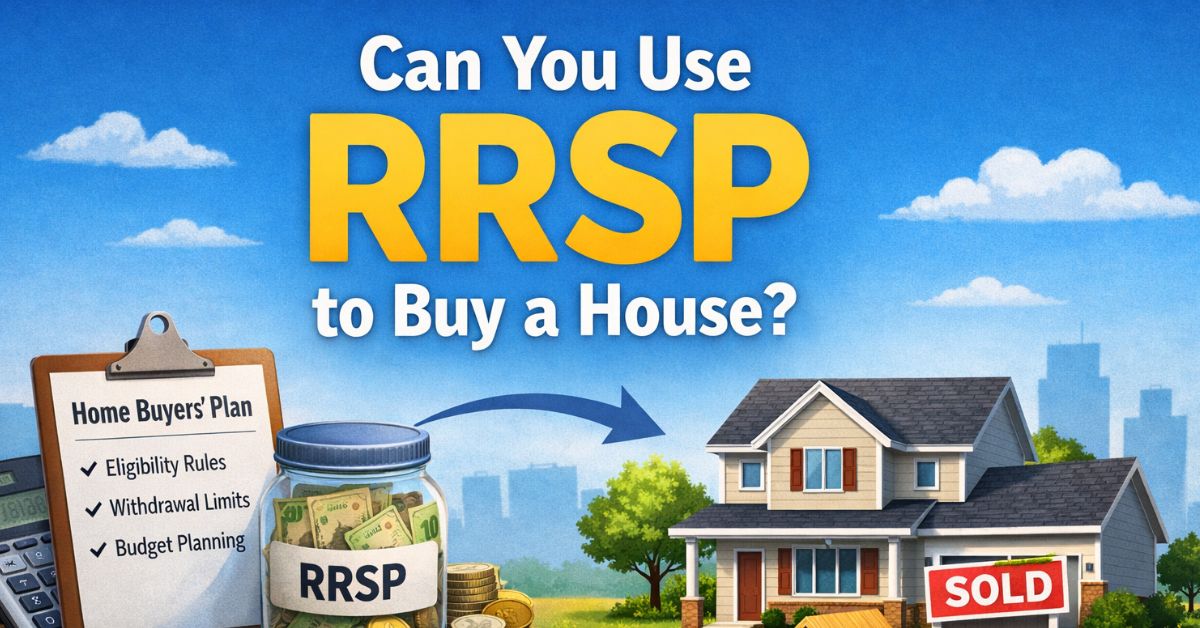
Thinking about buying a place? It’s a big step, and figuring out the money side of things can feel overwhelming. Lots of people wonder, ‘Can you use RRSP to buy a house?’ The good news is, yes, you often can, thanks to a program called the Home Buyers’ Plan. But it’s not as simple as just taking the money out. There are rules, limits, and things you need to consider to make sure it fits into your overall budget and financial future. Let’s break down can you use RRSP to buy a house and how this works, so you can make a smart decision.
So, you’re thinking about buying a house and wondering if your Registered Retirement Savings Plan (RRSP) can lend a hand. The short answer is yes, you absolutely can use RRSP funds to help with a down payment, but there are some important details to sort out first. This isn’t just a free-for-all withdrawal; it’s managed through a specific government program.
Canada has a program called the Home Buyers’ Plan (HBP). It’s designed to let individuals tap into their RRSP savings to purchase or build a home. It’s a pretty neat way to access money you’ve saved for the future to help you get into a home sooner. But, like most things involving government programs and your money, there are rules. You can’t just pull out whatever you want, whenever you want, without consequences. The money you withdraw under the HBP needs to be paid back, usually over a period of 15 years.
Here’s a quick rundown of what you generally need to know:
Using your RRSP for a down payment can be a smart move, but it’s not the only piece of the puzzle. You’ll still need to consider your overall budget, mortgage pre-approval, and other savings to make sure the home you’re buying is truly affordable in the long run.
So, can you use RRSP to buy a house? Yes, through the Home Buyers’ Plan. It’s a fantastic tool for many Canadians looking to achieve homeownership, but understanding the ins and outs is key to making it work for your financial situation. We’ll get into the nitty-gritty of eligibility and the process in the following sections.
Okay, so you’re thinking about buying a house and wondering if your Registered Retirement Savings Plan (RRSP) can help. That’s a smart question to ask!
Basically, an RRSP is a special account set up with the Canada Revenue Agency (CRA) to help you save money for retirement. You put money into it, and here’s the cool part: those contributions can usually be deducted from your taxable income for the year. This means you might get a nice tax refund, which is always a bonus. The money inside your RRSP then grows tax-sheltered, meaning you don’t pay tax on any investment gains or interest it earns year after year, until you take it out. The main goal is to build up a nest egg for when you stop working.
Now, while it’s called a retirement savings plan, it’s not like your money is completely locked away until you’re 65. You can, in theory, withdraw money from your RRSP at pretty much any time. However, if you just take money out for, say, a new car or a vacation, the government usually slaps a withholding tax on it. This tax rate depends on how much you withdraw:
This withholding tax is basically the government collecting some of the tax you deferred when you contributed. It can really eat into the amount you actually get to keep.
But here’s where things get interesting for homebuyers. Canada has a program specifically designed to let you use some of your RRSP savings for a down payment without that hefty withholding tax. We’ll get into that next, but understanding the basic RRSP structure – tax deductions on contributions and tax-sheltered growth – is key to seeing why it can be a useful tool for buying a home.
So, you’re thinking about using your Registered Retirement Savings Plan (RRSP) to help buy a house. That’s a pretty common move for many Canadians, and there’s a specific government program designed to make it easier: the Home Buyers’ Plan, or HBP for short. This plan lets you withdraw funds from your RRSP to buy or build a home without immediately hitting you with taxes.
Think of the HBP as a special tool. Normally, if you take money out of your RRSP before retirement, you’d have to pay income tax on it, and there might be withholding taxes too, depending on how much you take out. The HBP basically puts a pause on that. It allows you to access a portion of your retirement savings for a down payment, and as long as you follow the rules and pay it back, it’s not taxed at the time of withdrawal.
Here’s a quick rundown of what the HBP generally involves:
It’s not just about taking the money out, though. The government has specific conditions to make sure you’re actually using it for a qualifying home and that you intend to live in it.
The Home Buyers’ Plan is a government program that allows eligible individuals to withdraw funds from their RRSP to purchase or build a qualifying home. The key benefit is that these withdrawals are not taxed at the time of withdrawal, provided that the funds are repaid over a period of up to 15 years according to the established schedule.
This plan can be a real game-changer for getting into the housing market, especially if you need that extra boost for a down payment. But remember, it’s a loan from yourself, and you do need to pay it back to keep your retirement savings on track.
So, you’re thinking about tapping into your Registered Retirement Savings Plan (RRSP) to help buy a place. That’s a pretty common move, and the government actually has a program to make it easier – it’s called the Home Buyers’ Plan (HBP). But, like most things, there are some hoops you need to jump through to qualify.
First off, you generally need to be considered a first-time home buyer. Now, this doesn’t always mean you’ve never owned a home before. The key is that you (or your spouse or common-law partner) haven’t lived in a home you owned in the last four years. So, if you sold a place a while back and have been renting since, you might still be eligible.
Another big one is that the home you’re buying needs to be your principal residence. This means you plan to live in it within a year of purchasing it. You can’t use the HBP to buy a rental property or a vacation home.
Here’s a quick rundown of the main requirements:
It’s important to remember that the HBP is a government program, and they have specific definitions for who qualifies. Always double-check the latest rules on the Canada Revenue Agency (CRA) website or chat with a financial advisor to make sure you meet all the criteria before you get too far into the process.
If you’re buying with a partner, and they also qualify for the HBP, you can each withdraw up to $60,000 from your respective RRSPs, potentially giving you access to a combined $120,000. That’s a pretty significant chunk to put towards your down payment!
So, you’re thinking about using your Registered Retirement Savings Plan (RRSP) to help buy a house. That’s a pretty common move for many Canadians, and there’s a specific program designed to make it easier: the Home Buyers’ Plan (HBP).
Under the HBP, you can withdraw up to $60,000 from your RRSP to put towards buying or building a qualifying home. If you’re buying with a partner who also qualifies for the HBP, you could potentially access up to $120,000 combined ($60,000 each).
It’s important to remember that this money needs to have been in your RRSP for at least 90 days before you can withdraw it under the HBP. This isn’t just a random cash grab; it’s a program with specific rules.
Here’s a quick breakdown of the withdrawal limits:
While the HBP lets you withdraw a significant amount, it’s not the only money you’ll need for a home purchase. You’ll still need to consider your other savings, income, and what a lender is willing to offer you for a mortgage. Getting pre-approved for a mortgage early on can give you a clearer picture of your total buying power.
Think of the HBP as a tool to help you get into your first home, but it’s just one piece of the larger financial puzzle. You’ll need to factor in closing costs, moving expenses, and any immediate renovations or furnishings you might need. Planning is key to making sure you don’t overextend yourself financially.
So, you’re thinking about using your RRSP for a down payment. That’s pretty common, and the Home Buyers’ Plan (HBP) makes it possible without immediate tax penalties. But, like most things involving government programs, there are definitely some rules to follow. It’s not just a free-for-all.
First off, the money you want to pull out needs to have been sitting in your RRSP for at least 90 days. This is to stop people from just moving money around to get a tax break right before buying a house. You also need to have a signed agreement to buy or build a qualifying home. Remember, this plan is for your own home, not an investment property. You’ll need to actually live in the place within a year of buying it.
The total amount you can withdraw under the HBP is $60,000 per person. If you’re buying with a partner, you can each withdraw up to $60,000 from your own RRSPs, for a combined total of $120,000. It’s important to note that these funds must be withdrawn within a specific timeframe, with the final withdrawal occurring no later than 30 days after you obtain the title to your new home [1d4b].
Here’s a quick rundown of the key conditions:
The repayment starts a few years after you make your first withdrawal. The exact timing depends on when you took out the money. For withdrawals made on or before December 31, 2021, you start repaying two years later. If your first withdrawal was between January 1, 2022, and December 31, 2025, you have five years before you need to start repaying.
Each year, you’ll need to repay at least one-fifteenth of the total amount you withdrew. If you miss a payment, that portion becomes taxable income for that year. It’s a good idea to set up automatic contributions to your RRSP to make sure you stay on track with your repayments. Failing to repay can have tax consequences, so it’s not something to take lightly.
So, you’ve decided to tap into your RRSP savings to help buy your first home. That’s a pretty common move for many Canadians! The government has a program called the Home Buyers’ Plan (HBP) that makes this possible. It’s not super complicated, but you do need to follow a few steps to make sure everything is above board.
First off, you need to make sure you meet the basic requirements. This usually means you’re considered a first-time home buyer (which has a specific definition, so check that out), and the money you want to withdraw has been sitting in your RRSP for at least 90 days. Also, you’ll need a signed agreement to buy or build a qualifying home.
When you actually go to withdraw the funds, you’ll do this through your RRSP provider. You’ll need to fill out a specific form, usually Form T1036, Home Buyers’ Plan. This form asks for details about you, your RRSP, and the home you’re buying. You’ll typically submit this form to your financial institution that holds your RRSP, and they’ll process the withdrawal.
Here’s a quick rundown of the general process:
It’s important to note that you can’t just take the money out and forget about it. You’ll have 15 years to pay it back into your RRSP, starting two years after you make the withdrawal. Missing repayments can lead to taxes being charged on the withdrawn amount.
Applying for the Home Buyers’ Plan involves filling out specific forms and working with your RRSP provider. It’s designed to be straightforward, but paying attention to the details, especially the repayment schedule, is key to avoiding any unexpected tax implications down the road.
So, you’ve tapped into your Registered Retirement Savings Plan (RRSP) for a down payment using the Home Buyers’ Plan (HBP). That’s pretty cool, right? But here’s the catch: the government wants that money back in your RRSP eventually. It’s not like a gift; it’s more like a loan from your future self, and you’ve got a timeline to pay it back.
The repayment clock starts ticking a few years after you make your first withdrawal. The exact timing depends on when you took the money out. If your withdrawal happened on or before December 31, 2021, you generally have two years before you need to start repaying. But if you took the funds out between January 1, 2022, and December 31, 2025, you get a bit more breathing room – five years to get started on your repayments.
Here’s a breakdown of the repayment schedule:
Think of it like this:
You’re essentially borrowing from your retirement savings. While the HBP offers a fantastic way to get into a home sooner, it’s super important to stick to the repayment plan. Ignoring it can lead to unexpected tax bills, which is the last thing you want when you’re already managing a mortgage.
It’s a good idea to set up automatic transfers from your bank account to your RRSP to make sure you don’t forget. Many financial institutions offer options for automatic monthly, bi-weekly, or even weekly contributions. This way, you’re consistently putting money back, and it won’t feel like a huge chunk all at once. Plus, it helps you avoid those pesky tax implications from missed payments. Keeping track of your RRSP balance and your repayment progress is key to staying on top of things.
So, you’re thinking about tapping into your Registered Retirement Savings Plan (RRSP) to help buy a house. It’s a popular move, and for good reason, but like most financial decisions, it’s got its upsides and downsides. Let’s break it down.
The biggest perk is definitely getting access to a chunk of cash for your down payment without immediate tax penalties, thanks to the Home Buyers’ Plan (HBP). This can make a significant difference in how much house you can afford or help you avoid mortgage default insurance if you can put down 20%.
Here are some of the main advantages:
However, it’s not all smooth sailing. There are some important things to consider:
It’s really important to look at your entire financial picture before deciding. While the HBP offers a way to use your RRSP savings, it’s a loan from your future self. Make sure you’re comfortable with the repayment schedule and the impact on your long-term retirement goals.
Think of it like this:
| Pro | Con |
| Tax deduction on contributions | Must repay funds over 15 years |
| Access to funds for the down payment | Reduces retirement savings |
| Potential to avoid mortgage insurance | Funds are unavailable for retirement growth |
Ultimately, using your RRSP for a home purchase can be a smart move, but it requires careful planning and a clear understanding of the repayment terms and the long-term effects on your retirement nest egg.
So, you’re thinking about tapping into your Registered Retirement Savings Plan (RRSP) for a down payment. That’s a big move, and it definitely shakes up your usual financial picture. It’s not just about pulling money out; it’s about how that withdrawal impacts everything else you’re saving for, especially retirement.
The main thing to remember is that the money you take out needs to be paid back. This isn’t free money. You’ve got a timeline, usually 15 years, to put it back into your RRSP. Missing those payments can turn a helpful withdrawal into a taxable event, which is the last thing you want when you’re already juggling a mortgage.
Here’s a quick look at how the repayment schedule works:
Beyond the repayment, think about what you’re giving up. That money in your RRSP was growing, tax-sheltered. When you take it out, you lose that potential future growth. This could mean you have less saved for retirement down the line. It’s a trade-off: a house now versus potentially more retirement funds later.
You’re essentially borrowing from your future self. While the Home Buyers’ Plan (HBP) makes it possible and avoids immediate taxes, the long-term effect on your retirement savings is something you absolutely need to consider. It’s a balancing act between achieving homeownership today and securing your financial future tomorrow.
When you’re planning your budget, consider these points:
Okay, so you’re thinking about using your Registered Retirement Savings Plan (RRSP) to help buy a house. It sounds like a great idea, right? Free money for your down payment! But hold on, there are definitely some things people get mixed up about, and it’s good to clear those up before you get too far down the road.
One big question is about taxes. Many people think withdrawing from their RRSP for a home purchase means they’ll owe a ton of tax right away. That’s not quite true if you use the Home Buyers’ Plan (HBP). The HBP lets you take out funds without immediate tax, but you do have to pay it back. If you just pull money out without using the HBP, then yes, withholding taxes will apply, and that can be a hefty chunk of change.
Here are some other common points of confusion:
A common misconception is that using your RRSP for a down payment will somehow hurt your retirement savings permanently. While you do need to repay the funds, the HBP is structured to allow you to replenish your retirement savings over time without a massive immediate tax hit, provided you stick to the repayment schedule.
Another thing people sometimes miss is the 90-day rule. The money you want to withdraw via the HBP needs to have been in your RRSP for at least 90 days. So, you can’t just contribute to your RRSP today and then withdraw it tomorrow for a down payment. You’ll need to plan a bit. It’s also worth noting that not all RRSPs are eligible; employer-sponsored plans might have different rules. Generally, personal RRSPs are the ones you can use for the Home Buyers’ Plan.
Finally, people often wonder if they have to use the HBP. You can withdraw from your RRSP for a home purchase without using the HBP, but you’ll face withholding taxes. The HBP is the way to avoid those immediate taxes, making it the preferred route for most people using their RRSP for a down payment.
So, you’re thinking about using your RRSP for a down payment. That’s a big step, and it’s smart to look at all your options. While the Home Buyers’ Plan (HBP) is a fantastic tool, it’s not the only one out there. Combining it with other savings strategies can really boost your home-buying power.
Think about the First Home Savings Account (FHSA). This is a newer option that’s pretty neat because it mixes some of the best parts of RRSPs and Tax-Free Savings Accounts (TFSAs). Contributions you make to an FHSA are tax-deductible, just like with an RRSP, which can lower your taxable income for the year. Plus, any growth and withdrawals you make to buy your first home are tax-free, similar to a TFSA. It’s definitely worth looking into if you’re a first-time buyer. You can find more details about how it works on the government website.
Here are a few other things to consider:
When planning your budget, it’s easy to get tunnel vision on just one savings method. However, a well-rounded approach that incorporates multiple financial tools can provide greater flexibility and potentially speed up your journey to homeownership. Always consider the tax implications and accessibility of each option.
Getting pre-approved for a mortgage is also a really important step. It gives you a clear picture of how much a lender is willing to give you, which helps you set a realistic budget for your home search. This process looks at your income, debts, and credit history, giving you a solid number to work with.
So, you’ve been looking into using your Registered Retirement Savings Plan (RRSP) to help buy a house. It sounds like a pretty sweet deal, right? Getting a chunk of cash for your down payment without a huge tax hit. But is it actually the best move for you? It’s not a one-size-fits-all situation, and you’ve got to think it through.
First off, are you even eligible? You generally need to be considered a first-time home buyer, which, in the eyes of the government, means you (or your spouse or common-law partner) haven’t owned a home that you lived in for the last four years. Plus, you’ve got to actually plan on living in the place you buy – no using this for an investment property.
Here’s a quick rundown of things to consider:
Think of it this way: the HBP is a tool, not a magic wand. It can help you get into a home sooner, but it comes with responsibilities. You’re essentially borrowing from your future self, and you need a solid plan to pay yourself back.
Ultimately, using your RRSP for a down payment can be a smart move if you’re disciplined about repayment and understand the trade-offs. It might help you avoid mortgage default insurance if you can get to a 20% down payment. But if you’re already struggling with debt or aren’t confident in your ability to repay, it might be better to wait and let your retirement savings continue to grow.
Thinking about using your RRSP to buy a home? It might seem like a smart move, but it’s important to understand all the details. This can be a big decision, and we’re here to help you figure it out. Want to learn more about how this works and if it’s the right path for you? Visit our website for a clear breakdown of the pros and cons.
The Home Buyers’ Plan, or HBP, is a special program in Canada that lets you take money out of your Registered Retirement Savings Plan (RRSP) to buy or build a home. It’s a way to use your own savings to help with your down payment.
Under the HBP, you can withdraw up to $60,000 from your RRSP. If you’re buying with a partner who also qualifies, you could each take out $60,000, for a total of $120,000.
The great news is that if you follow the HBP rules and pay back the money you withdrew, you generally don’t have to pay taxes on it. However, if you don’t pay it back on time, the amount you owe will be added to your income and taxed.
To use the HBP, you usually need to be a first-time home buyer, meaning you or your spouse haven’t lived in a home you owned in the last four years. Also, the money you want to withdraw must have been in your RRSP for at least 90 days before you take it out.
Yes, you do. The HBP is meant for buying a home you plan to live in yourself. You can’t use it to buy a property that you intend to rent out to others.
You have up to 15 years to pay back the money you take out. The repayment usually starts two years after your first withdrawal if you took it out before the end of 2021. If you took it out between January 1, 2022, and December 31, 2025, you have five years before you need to start paying it back. You’ll need to repay at least one-fifteenth of the amount each year.
If you miss a payment or don’t pay back the required amount each year, the portion you owe will be considered taxable income for that year. This means you’ll have to pay income tax on that amount.
Besides helping you afford a down payment, using your RRSP might allow you to avoid paying for mortgage default insurance if you can put down 20% or more. Also, if you contribute money to your RRSP just before withdrawing it for the HBP, that contribution can be a tax deduction for the year, potentially giving you a tax refund you can use for home-buying costs.