Nova Scotia Missing Kids: Disappearance of Lilly & Jack Sullivan
December 3, 2025


The disappearance of young siblings Lilly and Jack Sullivan from their Nova Scotia home in May 2025 has deeply affected the local community and drawn national attention. This case, involving two children who vanished without a trace, has prompted extensive searches and ongoing investigations. Understanding the details of the Nova Scotia missing kids situation, the response from authorities, and the community’s involvement is important as the search continues.
In the quiet community of Lansdowne Station, Pictou County, Nova Scotia, a mystery unfolded that has gripped the nation. On May 2, 2025, siblings Lilly Sullivan, aged six, and Jack Sullivan, aged four, vanished from their rural home. The circumstances surrounding their disappearance are perplexing, leaving families and authorities searching for answers.
The initial report indicated the children may have wandered away, but as days turned into weeks and then months, the lack of concrete evidence has fueled speculation and concern. A massive search effort was launched immediately, involving hundreds of volunteers, police, search dogs, and aerial surveillance. Despite extensive efforts covering miles of dense woodland and waterways, no trace of Lilly and Jack was found. This has led investigators to explore all possibilities, though they have stated there is no direct evidence of abduction.
Key details about the children at the time of their disappearance:
The case has garnered significant national and international attention, highlighting the vulnerability of missing children and the community’s desire for resolution. The Government of Nova Scotia has offered a substantial reward of up to C$150,000 for information that could lead to finding the siblings, underscoring the seriousness with which this case is being treated. The investigation continues, with police conducting interviews and polygraph tests as they work to piece together what happened to Lilly and Jack Sullivan. Lilly and Jack Sullivan disappeared under suspicious circumstances.
The prolonged absence of any sign of the children, coupled with the lack of clear indicators of their whereabouts, has created a deeply unsettling situation for everyone involved. The community’s hope remains that a breakthrough will occur, bringing Lilly and Jack home safely.
The disappearance of Lilly and Jack Sullivan, the Nova Scotia missing kids at the center of this case, began with a report to the Royal Canadian Mounted Police (RCMP) on the morning of May 2nd. Their mother stated the children were missing from their home in Lansdowne Station, Nova Scotia. Initially, police believed the children may have simply wandered off, and there was no immediate indication of foul play. This led to an initial public notification and a request for information.
As the day progressed, the situation evolved. By the afternoon, a vulnerable missing persons advisory was issued for the Pictou County area, and the public was asked to avoid the vicinity where the children were last seen. The initial hours were marked by a growing sense of urgency and a broad search effort.
Later that night and into the early morning of May 3rd, a new piece of information emerged. The children’s mother reported that their estranged biological father might have taken them across the provincial border into New Brunswick. This prompted the police to visit the father’s residence, where he denied having seen the children in years. Investigators then sought camera footage from the Cobequid Pass, a key route to New Brunswick, to see if the children had crossed.
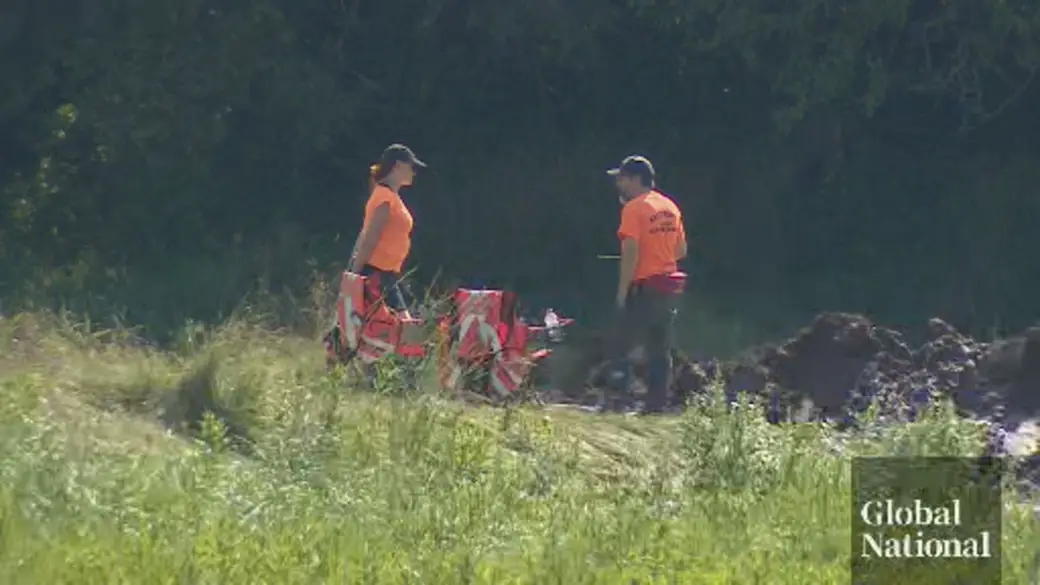
Throughout May 3rd, the search intensified. A large contingent of police officers and volunteers, numbering over 100, scoured the area around the family home. They utilized various methods, including ground searches, tracking dogs, drones, and helicopters. The community watched and waited, with the children’s mother expressing her deep desire for their safe return.
The initial hours after the report were critical, with authorities working to establish the circumstances of the disappearance and coordinate search efforts across a wide area. The focus shifted from a potential wandering-off scenario to exploring other possibilities as more information became available.
Key developments in the unfolding events included:
The timeline of events, from the initial report to the expanded search efforts and the exploration of different theories, highlights the complex and rapidly evolving nature of such investigations. The case of the Nova Scotia missing kids, Lilly and Jack Sullivan, quickly became a matter of significant public concern.
The disappearance of Lilly and Jack Sullivan on May 2, 2025, from their home in Lansdowne Station, Nova Scotia, quickly became a significant concern for the local community and law enforcement. Initially, the Royal Canadian Mounted Police (RCMP) treated the case as if the children had wandered off, a belief that shaped their early response. However, as the hours turned into days, and then weeks, the situation evolved, prompting a more intensive investigation.
The initial report came from the children’s mother, Malehya Brooks-Murray, who stated they were missing from their home. Police arrived on the scene shortly after the report was filed. Surveillance footage later confirmed the children were seen with their mother and stepfather, Daniel Martell, at a Dollarama store in New Glasgow the day before they were reported missing. This detail, along with other information, began to paint a more complex picture than a simple case of children getting lost.
Several factors added layers to the unfolding situation:
As the investigation progressed, court documents later revealed that police had conducted polygraph tests on family members and seized various materials. The sheer volume of tips received, hundreds in total, underscored the community’s engagement and the complexity of sifting through information. The RCMP’s approach involved multiple units and collaboration with agencies across the country, indicating the seriousness with which the case was being handled.
The initial days of the investigation were marked by a focus on immediate search and rescue, with authorities working under the assumption that the children might still be in the local area. This early phase involved extensive ground searches and public advisories, reflecting a standard procedure for missing persons, especially young ones.
The timeline of events and the information released by authorities, including the eventual shift in perspective regarding the nature of the disappearance, form the backdrop against which the ongoing search and community response unfolded.
When Lilly and Jack Sullivan were reported missing, the authorities swung into action. The Royal Canadian Mounted Police (RCMP) issued a public notification pretty quickly, asking for any information people might have. Initially, they thought the kids might have just wandered off, and there wasn’t any sign of foul play.
As the hours ticked by, the response intensified. A vulnerable persons advisory was put out for the Pictou County area, and the public was asked to steer clear of the immediate vicinity where the children were last seen. This was to help keep the search area clear for official teams.
Later, a call came in suggesting the children’s estranged father might have taken them out of the province. Police followed up on this lead, visiting the father’s home and requesting camera footage from border crossings. This shows how they were trying to cover all the bases, looking into different possibilities.
Here’s a breakdown of some of the actions taken:
The sheer volume of tips and video footage collected highlights the extensive effort involved. Authorities meticulously reviewed hundreds of hours of video and interviewed numerous individuals, employing various investigative techniques to piece together the events surrounding the disappearance. This methodical approach aimed to scrutinize every detail, ensuring no potential clue was overlooked in the complex investigation.
The police maintained an intensive approach throughout the investigation, acknowledging it might take longer than anticipated. They partnered with agencies across the country and involved multiple Nova Scotia RCMP units, including the Major Crime Unit. This broad collaboration was key to managing the significant amount of information and resources required for such a case. The investigation into the disappearance of Jack and Lilly Sullivan was a complex and multifaceted operation.
When Lilly and Jack Sullivan went missing, the community response was immediate and widespread. Neighbors, friends, and even strangers stepped up in ways that truly showed the strength of the local spirit. People organized search parties, shared information tirelessly on social media, and offered practical help to the family.
The outpouring of support demonstrated a collective commitment to finding the children.
Here’s a look at some of the ways the community rallied:
The sheer number of people willing to drop everything and help was remarkable. It wasn’t just about the physical search; it was about showing the family they weren’t alone in this incredibly difficult time. This kind of solidarity is what makes a community truly strong.
Even as official searches evolved, the local commitment remained. The community’s involvement highlighted the deep desire for answers and the solidarity felt by so many in Nova Scotia during this challenging time.
The official statements surrounding the disappearance of Lilly and Jack Sullivan painted a picture of a complex and evolving investigation. Initially, the Royal Canadian Mounted Police (RCMP) suggested the children may have wandered off, stating there was no immediate evidence of abduction. This was followed by a vulnerable missing persons advisory for Pictou County.
As the days turned into weeks, the tone of the official communications shifted. The RCMP confirmed an “intensive approach” was ongoing, involving multiple units and collaboration with agencies nationwide. They detailed the significant resources dedicated to the case, including:
The RCMP emphasized a “coordinated and deliberate approach” to meticulously scrutinize all information.
Later, redacted court documents revealed that by July 16, the RCMP no longer considered the case to be “criminal in nature.” This was a significant development, though details remained limited. The family, through statements from the maternal grandmother, expressed hope for the children’s safe return, while also noting police advised them against speaking to the media. The provincial government also issued statements, with Premier Tim Houston acknowledging the widespread concern and commending the efforts of first responders and volunteers working tirelessly on the search for the missing children.
The sheer volume of information processed and the extensive investigative measures undertaken by law enforcement underscore the seriousness with which this case was treated. Official statements aimed to keep the public informed while balancing the need to protect the integrity of the investigation, a delicate act in such a high-profile situation.
The disappearance of Lilly and Jack Sullivan left a deep mark on Nova Scotia, showing us a few things about how communities come together and what we need to do better. It wasn’t just about finding two lost kids; it became a moment for people to step up and show what they’re made of.
One of the biggest takeaways was the power of community action. When the news broke, people didn’t just wait around. Neighbors, friends, and even strangers organized search parties, held vigils, and offered support to the family. It was clear that when something like this happens, people want to help, and they will drive hours to do so, like the search organizer from Ontario who came to help find the children.
This event also highlighted the need for better systems to protect children. While many worked hard, the situation also brought to light gaps in how youth are supported. The community’s response showed a strong desire for answers and a commitment to ensuring no child falls through the cracks.
Here’s what we learned:
The sheer number of tips and video files authorities had to sift through, over 8,000 video files in this case, shows how much information is generated. It also points to the challenge of processing it all effectively and quickly.
It’s a tough lesson, but one that can lead to positive change. The shared experience, though born from tragedy, has the potential to strengthen community bonds and push for improvements in how we look out for our youngest residents. We saw people praying for a positive outcome and working tirelessly, showing that even in the darkest times, hope and action can shine through.
The disappearance of Lilly and Jack Sullivan has left a deep mark on Nova Scotia, and maintaining public awareness is key to finding answers. It’s easy for cases like this to fade from the headlines, but for the families involved, the search for closure is ongoing. The community’s continued engagement, through sharing information and supporting search efforts, plays a vital role.
Several organizations and individuals have dedicated themselves to keeping the case in the public eye. These efforts range from organizing community vigils to coordinating volunteer searches. For instance, groups like Please Bring Me Home have been instrumental in mobilizing resources and volunteers, driving long distances to assist in the search for the missing children. Their work highlights the power of community action when official resources are stretched.
Here’s a look at some of the ongoing efforts:
It’s important to remember the details of the case and the families’ ongoing pain. The initial reports suggested the children may have wandered away, but as time passes, the need for answers only grows. The investigation has involved extensive efforts, including reviewing hundreds of tips and vast amounts of video footage, but definitive answers remain elusive. The family has expressed their frustration and deep desire for resolution, a sentiment echoed by the wider community.
The emotional toll on a family experiencing such uncertainty is immense. Beyond the immediate search, the long-term impact of a missing child case can be profound, affecting not just parents and siblings but the entire community. Maintaining focus helps ensure that no stone is left unturned and that all avenues for finding Lilly and Jack are pursued.
Even as the official investigation continues, the spirit of community involvement is what truly keeps hope alive. The search for Lilly and Jack Sullivan is a stark reminder of the vulnerability of children and the collective responsibility we share in protecting them. Staying informed and continuing to support efforts to find them is something we can all do. You can find updates and ways to help through various community groups and official channels, such as those providing information on missing persons in Nova Scotia.
Here’s a summary of the scale of the investigation:
| Category | Number |
| Tips Received | Over 860 |
| Video Files Reviewed | Over 8,060 |
| Initial Searchers (May 4) | 160 |
| Renewed Search Volunteers (May 18) | 115 |
It’s important to keep the focus on the situation with missing kids in Nova Scotia. We need to stay aware and informed about this serious issue. If you want to learn more or find ways to help, please visit our website for updates and resources.
Lilly Sullivan, who was 6 years old, and her younger brother Jack Sullivan, who was 4 years old, are two Canadian siblings who went missing from their home in Pictou County, Nova Scotia. They were last seen on May 2, 2025. Their disappearance has led to a significant search effort and widespread attention.
Lilly and Jack Sullivan disappeared from their home on Gairloch Road in Lansdowne Station, Pictou County, Nova Scotia. The disappearance happened during the early morning hours of May 2, 2025. Their home is located in a rural area surrounded by woods.
Following the report of their disappearance, a large-scale search was immediately launched by authorities. This search involved numerous volunteers, police, dogs, drones, and helicopters covering a wide area around their home. However, after several days without finding any trace of the children, the main search efforts were scaled back.
As of now, authorities have stated that there is no concrete evidence suggesting the children were abducted. However, they have not ruled out the possibility that the disappearance is suspicious. The investigation has involved interviewing many people and reviewing a large amount of information, including video footage and tips.
Yes, the Government of Nova Scotia has offered a reward of up to C$150,000 for any information that proves to be of significant investigative value in finding Lilly and Jack Sullivan. This reward aims to encourage anyone with knowledge of the case to come forward.
The disappearance of Lilly and Jack Sullivan has deeply affected the community and highlighted the importance of child safety and the challenges faced during missing person investigations. It has shown how communities can come together to support affected families and authorities during difficult times, while also underscoring the need for continued attention and resources for unsolved cases.