Unorganized Land For Sale Ontario Under $50,000
December 10, 2025


Looking for land in Ontario, but don’t want to break the bank? You might be surprised by what’s out there. We’re talking about unorganized land for sale Ontario under $50,000. This isn’t your typical suburban lot; it’s a chance to own a piece of the wild, often with fewer rules and regulations. It might take a bit more effort to find, but the rewards can be pretty great if you’re looking for a getaway or a place to build something totally your own. Unorganized land for sale Ontario under $50,000 offers an affordable entry into property ownership.
Let’s explore what these hidden gems are all about.
Looking for a slice of Ontario that’s all yours, without breaking the bank? You’ve probably heard about unorganized land for sale Ontario under $50,000, and it’s not just a myth. These parcels of land are found in areas of Ontario that don’t have local municipal governments. This means fewer rules and regulations, which can be a big draw for many people. Think of it as a blank canvas for your dreams, whether that’s a rustic cabin, a hunting basecamp, or just a quiet escape from the everyday hustle.
Finding unorganized land for sale Ontario under $50,000 can feel like searching for a needle in a haystack, but these opportunities are out there. They often pop up in more remote parts of the province, particularly in Northern Ontario. These aren’t your typical suburban lots; they’re often larger, more rugged, and come with the promise of true wilderness.
Here’s a quick look at what you might find in this price range:
Purchasing land in an unorganized township means you’ll be dealing directly with the provincial government for things like property taxes and permits, rather than a local municipality. It’s a different system, and understanding it is key.
So, why are people so interested in unorganized land for sale Ontario under $50,000? It boils down to freedom, affordability, and a connection to nature. It’s about owning a piece of Ontario that feels truly wild and untouched, all within a budget that makes it accessible. We’ll explore the regions where you can find these gems and what you need to know before you buy.
So, why are folks looking for these unorganized land parcels, especially when they’re priced under fifty grand? It really boils down to a few key things. For starters, there’s the appeal of fewer rules. In unorganized townships, you’re not dealing with local municipal bylaws, which can be a big draw for people who want more freedom to do what they want with their property. Think building a cabin without a ton of permit hoops to jump through, or just having more say over how you use your land.
Another big reason is the price point itself. Finding any kind of property in Ontario for under $50,000 is tough, let alone a decent chunk of land. These cheaper parcels often pop up in more remote areas, which, while maybe not for everyone, offer a kind of peace that’s hard to find closer to the cities. It’s about getting more land for your money, plain and simple.
Here’s a quick look at what you might find in this price range:
The allure of unorganized land under $50,000 is often about escaping the complexities of organized areas. It’s a chance to own a piece of nature with fewer restrictions, appealing to those who value independence and a more hands-on approach to property ownership.
Plus, there’s the investment angle. While not guaranteed, land can be a solid long-term investment. Buying at a lower price point in an area that might see future development or increased interest can pay off down the line. It’s a way to get into the property market without breaking the bank, hoping that the value will grow over time.
So, you’re looking for a slice of Ontario that’s a bit wild and won’t break the bank? That’s where unorganized townships come in. These areas, often in the northern parts of the province, don’t have the same municipal services or regulations as organized towns. This can mean lower property taxes and a lot more freedom, but also means you’re pretty much on your own for things like roads and utilities.
When you’re hunting for land under $50,000, you’re generally looking at smaller parcels or land that’s more remote. Think about areas around:
It’s important to remember that listings under $50,000 are often snapped up quickly. They might be:
When you’re looking at unorganized land for sale Ontario under $50,000 bracket, you’re often buying potential and privacy. It’s less about immediate convenience and more about creating your own escape. Do your homework on access, potential uses, and any local restrictions that might still apply, even without a formal municipality.
Finding these gems takes patience and a bit of digging. Online listings are your best bet, but be ready to act fast when something suitable appears. The key is to know what you’re getting into – the freedom is great, but so is the responsibility that comes with it.
Buying land in an unorganized township in Ontario, especially on a tighter budget, is a bit like stepping back in time. You’re not going to get all the bells and whistles of a developed area, and that’s kind of the point, right?
First off, forget about municipal services. That means no city water, no sewer hookups, and likely no regular garbage pickup. You’ll be responsible for setting up your own well, septic system (if you plan to build), and figuring out waste disposal. It’s all part of the self-sufficient appeal, but it’s definitely something to budget for. Power is another big one; many of these properties are off-grid, meaning you’ll need to look into solar, generators, or other alternative power sources. This is not a ‘turnkey’ situation; it requires planning and investment.
Access can also be a bit of an adventure. Some properties might have year-round road access, but others might be seasonal or even require a boat or ATV to get to, especially those with lakefront. Always check the access situation carefully. You’ll also want to understand the property’s boundaries and any potential easements or rights-of-way that might affect its use.
Here’s a quick rundown of what you’re likely looking at:
Remember, ‘unorganized’ means there’s no local municipal government to provide services or enforce specific land-use bylaws as you’d find in a town or city. However, provincial regulations regarding building, environmental protection, and resource use still apply. It’s a trade-off: more freedom, but also more responsibility.
When you’re looking at these properties, you’ll often see descriptions mentioning proximity to Crown land, which is a huge plus for outdoor enthusiasts. It means more space to explore, hunt, or fish right from your doorstep. Just be aware that Crown land can also mean more wildlife, so be prepared for that.
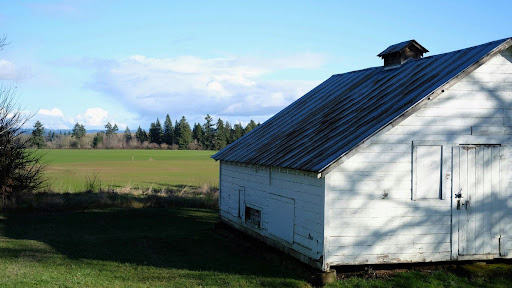
Buying land in an unorganized township in Ontario, especially on a tighter budget, can feel like finding a real treasure. But like anything, it’s not all sunshine and rainbows. You’ve got to weigh the good against the not-so-good.
The biggest draw is definitely the freedom and the price point. Because these areas don’t have local municipal governments, you often skip out on a lot of the red tape and fees that come with buying land elsewhere. This means lower property taxes, which is a huge plus for keeping costs down. Plus, you’re usually looking at more raw, natural land, which is perfect if you’re dreaming of a private getaway, a hunting camp, or just a place to disconnect.
Here’s a quick look at what you gain and what you might have to deal with:
Now, for the flip side:
When you buy land in an unorganized area, you’re essentially signing up for a more self-sufficient lifestyle. It’s about embracing the wild and being prepared to handle things yourself, from getting there to living there. It’s not for everyone, but for the right person, it’s exactly what they’re looking for.
So, while the low price and freedom are super appealing, make sure you’re ready for the responsibilities that come with owning a piece of Ontario’s wilder side. It’s a trade-off, for sure.
When you’re looking at unorganized land for sale Ontario under $50,000, understanding zoning and building rules is super important. Because it’s ‘unorganized,’ it means there isn’t a local municipality directly overseeing land use and development as you’d find in a town or city. This can be both a good thing and a tricky thing, depending on what you want to do.
The biggest thing to remember is that ‘unorganized’ doesn’t mean ‘no rules.’ You’ll still need to follow provincial regulations and any specific rules set by the Ministry of Natural Resources and Forestry (MNRF) or other provincial bodies. These can cover things like environmental protection, resource management, and even where you can build.
Here’s a breakdown of what to think about:
It’s really on you, the buyer, to do your homework. Don’t just assume you can build whatever you want, wherever you want. A quick chat with the local MNRF office can save you a lot of headaches down the road. They can tell you about any restrictions or requirements that apply to the land you’re eyeing.
For example, if you’re looking at a parcel for recreational use, like a hunting cabin, the rules might be different than if you’re hoping to build a year-round home. Some unorganized areas might have specific designations or policies that guide development. It’s always best to get this information directly from the source before you commit to buying.
So, you’ve found some unorganized land for sale Ontario under $50,000. That’s pretty exciting, right? But before you get too carried away, it’s smart to figure out what you’re actually getting for your money. It’s not like buying a house where everything’s already laid out. This is different.
First off, think about the location. Is it close to anything you might need, like a town or a main road? Even though it’s unorganized, some places are more accessible than others. Check out maps and see what’s around. Sometimes, land that seems remote might have a hidden benefit, like being near a lake or a river, which can add a lot to its appeal. The true value isn’t just the price tag; it’s what the land offers you.
Here are a few things to look at:
Don’t forget to consider the potential for future use. Even if you’re not planning to build right away, think about what you could do with the land down the line. Could you eventually get permits to build a cabin? Is it good for hunting or fishing? These things add to the overall worth.
When you’re looking at unorganized land, remember that you’re often paying for the land itself and its natural state. Services like electricity, water, and sewage aren’t usually included, and getting them can be expensive. So, the lower price often means you’ll be responsible for bringing in those necessities yourself.
It’s also a good idea to compare it to similar properties in the area, if you can find them. Sometimes, you might see listings for 40 acres in one spot for $70,000 and another 40 acres for $30,000. There’s usually a reason for the difference, like access or proximity to amenities. Researching past sales can give you a better idea of fair market value. You might even find some interesting options if you look at places like Harker Township. Understanding these details helps make sure you’re not overpaying and that the land fits your vision.
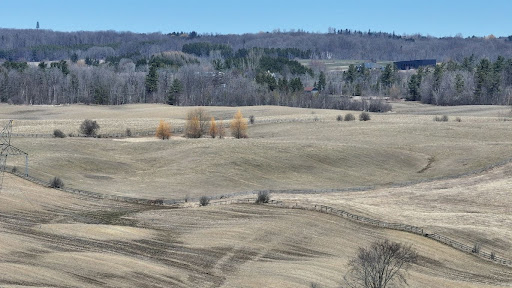
Alright, so you’ve found some interesting, unorganized land for sale Ontario under $50,000. That’s pretty cool! But before you get too excited, let’s talk about how to actually find the good ones and make sure the deal goes through without a hitch. It’s not always as straightforward as it looks, you know?
First off, where do you even look? You can’t just wander into the woods and expect to find a ‘For Sale’ sign. Online listings are your best bet. Websites that specialize in rural or unorganized land are goldmines. Look for sites that let you filter by price, acreage, and location. Don’t skip the details in the listing descriptions; they often contain vital info about access, services (or lack thereof), and any known issues. Sometimes, you’ll find great deals on sites that list a lot of properties, like Key Homes Ontario land.
Here’s a quick checklist for vetting listings:
When it comes to closing the deal, things can get a bit technical. You’ll likely need a lawyer who has experience with rural land transactions, especially in unorganized townships. They can help with:
Remember, buying unorganized land is often about potential. You’re buying the land itself, and whatever you do with it is largely up to you, within provincial regulations, of course. But it also means you’re responsible for everything – from building access roads to setting up your own power and water. It’s a big commitment, but for the right person, it’s an amazing opportunity.
Don’t be afraid to ask questions. Lots of them. If something feels off, or if the seller is cagey with information, it might be a sign to walk away. There are plenty of hidden gems out there, but you have to do your homework to find them.
Finding a great place and making sure the deal goes smoothly can be tricky. We’ve put together some helpful advice to guide you through the process. Want to learn more about how to find the best deals and seal them with confidence? Visit our website for all the tips and tricks you need!
Unorganized land in Ontario means it’s not part of a local government like a city or town. This usually means fewer rules about what you can do with the land, but also no services like garbage pickup or road maintenance from a local government.
It’s usually less expensive because there are no municipal services provided, and there might be fewer restrictions, but also fewer protections. Buyers often have to handle things like access and utilities themselves.
You can often build, but you’ll need to check the specific zoning rules for that area. Since there’s no local government, you might need to get permits from the provincial government or a specific regional authority. It’s important to research this before buying.
The main challenges are the lack of services like water, sewer, and electricity, and often difficult or no road access, especially in winter. You’re responsible for everything, including getting to your property and providing your own power and water.
Look for listings specifically mentioning ‘unorganized township’ or ‘unorganized territory.’ Real estate websites, local real estate agents who specialize in rural or northern properties, and even online forums related to land ownership in Ontario can be good places to search.
Always check for legal access to the property – is there a road or a right-of-way? Also, investigate potential environmental issues, like wetlands or flood zones, and understand the local wildlife and any hunting or fishing regulations. Getting a survey done is also a good idea.