Vacant Home Tax Toronto Declaration Online
December 1, 2025


The City of Toronto requires homeowners to declare their property’s occupancy status each year. This process, known as the Vacant Home Tax declaration, helps encourage the use of vacant homes for housing. If a property remains vacant, a tax is applied, with the funds going towards affordable housing projects. Filing this declaration online is a straightforward way to meet your obligation. The vacant home tax Toronto declaration online is an annual requirement for Toronto property owners.
Starting in 2023, Toronto homeowners have a new yearly task: declaring their property’s occupancy status. This is all part of the city’s Vacant Home Tax (VHT) program. The main idea behind this tax is to encourage owners of empty homes to either sell them or rent them out, which in turn helps increase the number of available homes in the city. If a property is left vacant for more than six months in a year, the owner will have to pay a tax. The money collected from this tax is then put towards affordable housing projects in Toronto.
Every residential property owner in Toronto must submit a declaration annually, even if the property is occupied. This declaration tells the city whether your home was vacant or occupied during the previous year. It’s important to get this done on time to avoid penalties.
Here’s a quick rundown of what the declaration involves:
To complete your annual declaration, you’ll need specific information. Make sure you have your customer number and either the property address or the 21-digit assessment roll number from your property tax bill ready. This information is key to submitting your declaration accurately. You can find this information on your property tax account statement or a Vacant Home Tax notice. The city wants to make sure that owners are actively using their properties or making them available to others.
The Vacant Home Tax is a one percent tax on the property’s current value assessment if it’s found to be vacant for more than six months in the preceding year. This applies to all residential properties within Toronto.
Submitting your declaration can be done online, which is generally the quickest method. However, if you prefer, you can also submit it by phone. The city provides resources to help you through the process, so don’t hesitate to use them if you’re unsure about any part of it. Getting this done correctly means you won’t face unexpected taxes or fines later on. You can find more details about the declaration process on the City of Toronto website.
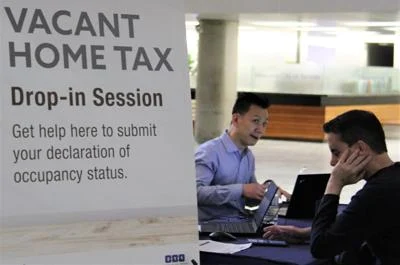
So, who actually needs to fill out the vacant home tax Toronto declaration online? It’s pretty straightforward, but there are a few things to keep in mind. The main idea is that if your residential property in Toronto was empty for more than six months during the previous calendar year, you’re generally required to declare it. This applies to the property owner.
There are, of course, some situations where a property might be considered vacant, but you won’t owe the tax. These are called exemptions, and they’re important to know about. You might be exempt if:
It’s also worth noting that if you bought or sold a property during the tax year, there are specific rules. Generally, the owner on December 31st of the tax year is the one responsible for making the declaration. If the property changed hands, both the buyer and seller should talk to each other to make sure the declaration is handled correctly. You can find more details on the City of Toronto website.
It’s really important to be honest with your declaration. If you give wrong information or don’t file when you’re supposed to, you could end up facing fines. These fines can be pretty hefty, up to $10,000, on top of whatever tax you might owe. So, double-check everything before you hit submit.
Before you start filling out the Vacant Home Tax Toronto declaration online, it’s a good idea to get your ducks in a row. This means having all the necessary information handy so you don’t have to stop and search for things halfway through. It can make the whole process go much smoother.
Here’s what you should gather:
Having these documents and details readily available will significantly speed up the declaration process and reduce the chance of errors.
It’s also wise to understand the different occupancy statuses and potential exemptions. The City of Toronto provides guidelines on its website that explain what qualifies as a vacant property and what situations might exempt you from the tax. Reading these beforehand can prevent confusion when you’re filling out the form.
Taking a few minutes to organize your information before you begin the online declaration can save you a lot of time and potential frustration. It’s a simple step that makes a big difference in completing the task efficiently and accurately.
Alright, let’s get down to actually filling out that vacant home tax Toronto declaration online. It’s not as complicated as it might seem at first glance, but you do need to be organized. The City of Toronto wants to know if your property was vacant last year, and you need to tell them.
First things first, you’ll need some information handy. Having your property tax bill or a recent notice nearby is a good idea. This usually contains your customer number and the assessment roll number, which are key identifiers. You’ll also need basic details about yourself as the property owner.
Here’s a general rundown of the steps involved:
It’s important to be truthful in your declaration. Misrepresenting the occupancy status can lead to penalties.
The online system is designed to be straightforward. Pay close attention to each field and any instructions provided on the screen. If you’re unsure about a specific question, it’s better to seek clarification before submitting than to make a mistake.
Okay, so you’ve got to declare your property’s status for the Vacant Home Tax. The City of Toronto has set up a system for this, and it’s mostly done online. You’ll need a few things before you even start, like your property tax bill or a notice you received. It’s got your customer number and the property’s assessment roll number – those are super important.
Here’s a general idea of how it works:
The system is designed to be straightforward, but having your documents ready makes the whole process much smoother. If you run into trouble, the City usually provides contact information, like calling 311, though this is typically for occupied property declarations by phone.
It’s really about confirming your property’s status each year. The city uses this information to track vacant homes and apply the tax if needed. They want to encourage more homes to be used for living in, not just sitting empty.
Keeping track of deadlines is pretty important when it comes to taxes, and the Vacant Home Tax Toronto declaration online is no different. Missing a date could mean extra fees or even fines, so it’s good to know when things are due.
The main deadline for declaring your property’s occupancy status for the current tax year is April 30th of the following year. For example, to declare your property’s status for the 2025 tax year, you need to submit your declaration by April 30, 2026.
Here’s a quick rundown of what you need to remember:
It’s a good idea to mark these dates on your calendar or set up reminders. The City of Toronto often sends out notices, but relying solely on those can be risky. Being proactive helps avoid any last-minute rushes or unexpected charges.
If you’re unsure about a specific date or need clarification, checking the official City of Toronto website or contacting 311 is always the best course of action. They can provide the most up-to-date information.

Making a mistake on your Vacant Home Tax Toronto declaration online can lead to unnecessary complications, and nobody wants that. The process is designed to be straightforward, but a few common pitfalls can trip people up. Paying close attention to the details is key to getting it right the first time.
Double-check all property information before submitting. This includes the address, roll number, and any identifying details associated with your property. An incorrect digit here can cause significant issues down the line.
Here are some common errors to watch out for:
It’s also important to understand the exemptions. Properties that meet specific criteria, such as being vacant for less than six months in a year or being occupied by a tenant under certain conditions, might be exempt. Make sure you’ve reviewed these rules carefully to see if they apply to your situation.
The City of Toronto’s Vacant Home Tax declaration system is online, but that doesn’t mean you can rush through it. Take your time, read each section carefully, and confirm that all the information you’ve entered accurately reflects your property’s status and your circumstances. It’s better to spend a few extra minutes now than to deal with a correction or penalty later.
So, you’ve gone through the process and submitted your Vacant Home Tax Toronto declaration online. That’s a big step done! You should receive an immediate confirmation on screen, and often, an email will follow shortly after. This confirmation is your proof of submission, so it’s a good idea to save it somewhere safe. Think of it like getting a receipt after a purchase; you want it in case anything comes up later.
What happens next really depends on whether your property was declared occupied or vacant. If you declared your property as occupied, and everything checks out, you generally don’t need to do anything further for this tax year. The City uses this information to determine if a property is subject to the tax. If you declared it vacant, however, you’ll likely receive a notice from the City regarding the tax amount owed. This notice will detail the payment due date and how to make the payment.
Here’s a quick rundown of what to expect:
It’s important to remember that the deadline for submitting your declaration is usually April 30th each year. If you missed this deadline, or if you realize you made an error after submitting, you’ll want to contact the City of Toronto directly. They have specific procedures for late submissions or amendments, and it’s best to address these issues promptly to avoid potential penalties. You can find more information about the declaration process on the official City of Toronto website.
Keep in mind that the Vacant Home Tax is an annual requirement. Even if you’ve declared your property occupied this year, you’ll need to make a new declaration next year. Staying on top of this yearly task helps ensure you remain compliant with the City’s regulations and avoid unexpected charges.
Once you’ve sent in your vacant home tax declaration online, you’ll get a confirmation. This is your proof that Toronto has received your paperwork. We’ll guide you on what happens next and what to expect. For more details on the process, visit our website.
The Vacant Home Tax declaration is a yearly requirement for Toronto property owners. It’s how you tell the city if your home is occupied or empty. This helps encourage owners of empty homes to rent them out or sell them, which can lead to more housing options for everyone. If a home stays empty, the owner might have to pay a tax.
All registered owners of residential properties in Toronto need to make a declaration each year about their property’s occupancy status. This is true even if the property is occupied. It’s important to let the city know, so they know whether the tax applies.
To file online, you’ll typically need your property tax bill information, like your customer number and address or assessment roll number. While the provided information doesn’t detail a specific online portal, keep an eye on the City of Toronto’s official website for instructions on how to access and complete the declaration electronically. Sometimes, third-party tools might be mentioned for filling out forms, but always ensure you’re using official or trusted methods.
Before you start, gather your property’s tax bill details, which include your customer number and the property’s address or its 21-digit assessment roll number. You might also need personal identification details. Having these handy will make the process much smoother.
Failing to submit your declaration by the deadline can lead to penalties. The city may charge interest on any unpaid tax, and there could be fines for not providing the required information. It’s best to file on time to avoid extra costs and trouble.
You can generally avoid the Vacant Home Tax if your property is occupied for at least six months of the year. This means either you or a tenant is living there. If the property is genuinely occupied, you just need to declare it correctly.